The Hidden Tech Challenges Every Digital Nomad Faces
A digital nomad quickly learns that the biggest travel challenges are not always delayed flights or finding affordable accommodation. The real problem can also start when you open a laptop. A login attempt may get flagged or a work platform suddenly blocks access because the connection appears unfamiliar. These situations rarely make it into social media posts about remote work. But they are still part of the everyday reality of working while constantly changing locations.
Reliable internet has become the baseline for remote work but reliability goes beyond download speeds. The way you manage your online identity and security matters just as much. As you move from one country to another, your digital footprint changes in ways you may not notice until something goes wrong.
Public WiFi Is Only One Part of the Story
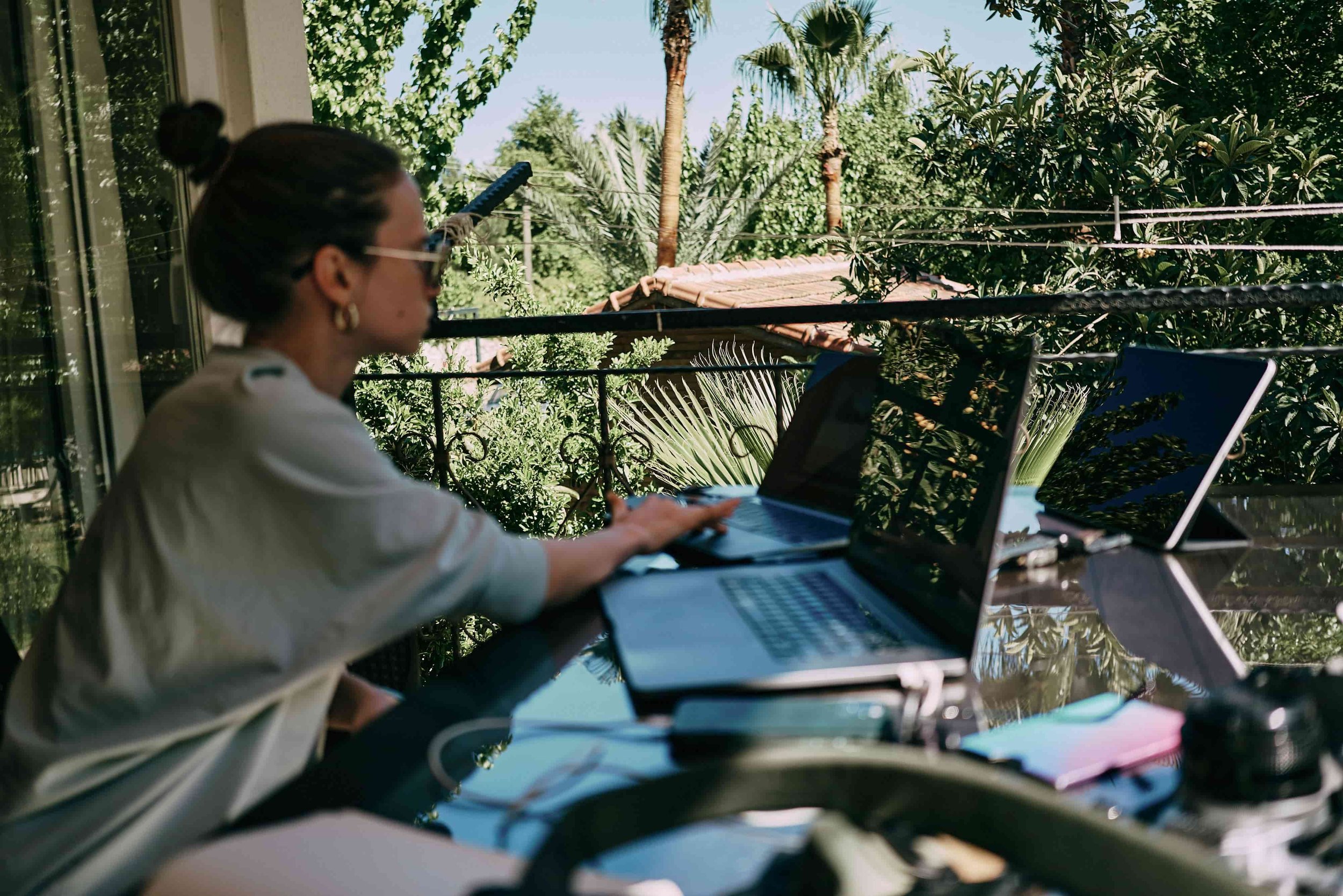
Most digital nomads know the risks of connecting to public WiFi. Cafes, airports, hotels, or coworking spaces provide convenient internet access but they are shared networks where security standards can vary. Using these networks without taking precautions can expose your data to risks.
But public WiFi is only part of the puzzle. Even with a trusted connection, working from different countries every few weeks can cause unforeseen problems. Every new destination will change the network you’re using and the IP address associated with your connection. These changes will happen automatically, but many online services will see them immediately.
Consistency Makes Remote Work Easier
Digital nomads embrace flexibility but consistency still plays a crucial role behind the scenes. Maintaining familiar login habits while reducing account disruptions can create a better work experience.
For those who want a more consistent online presence while traveling, it may be worth exploring more details on the dedicated IP feature from PIA. It will help you understand how a dedicated IP differs from a shared one and where it may fit into a remote work setup. The goal isn't to eliminate every security check but to create a workflow that minimizes interruptions while maintaining good security practices.
Your Online Identity Changes More Than You Think
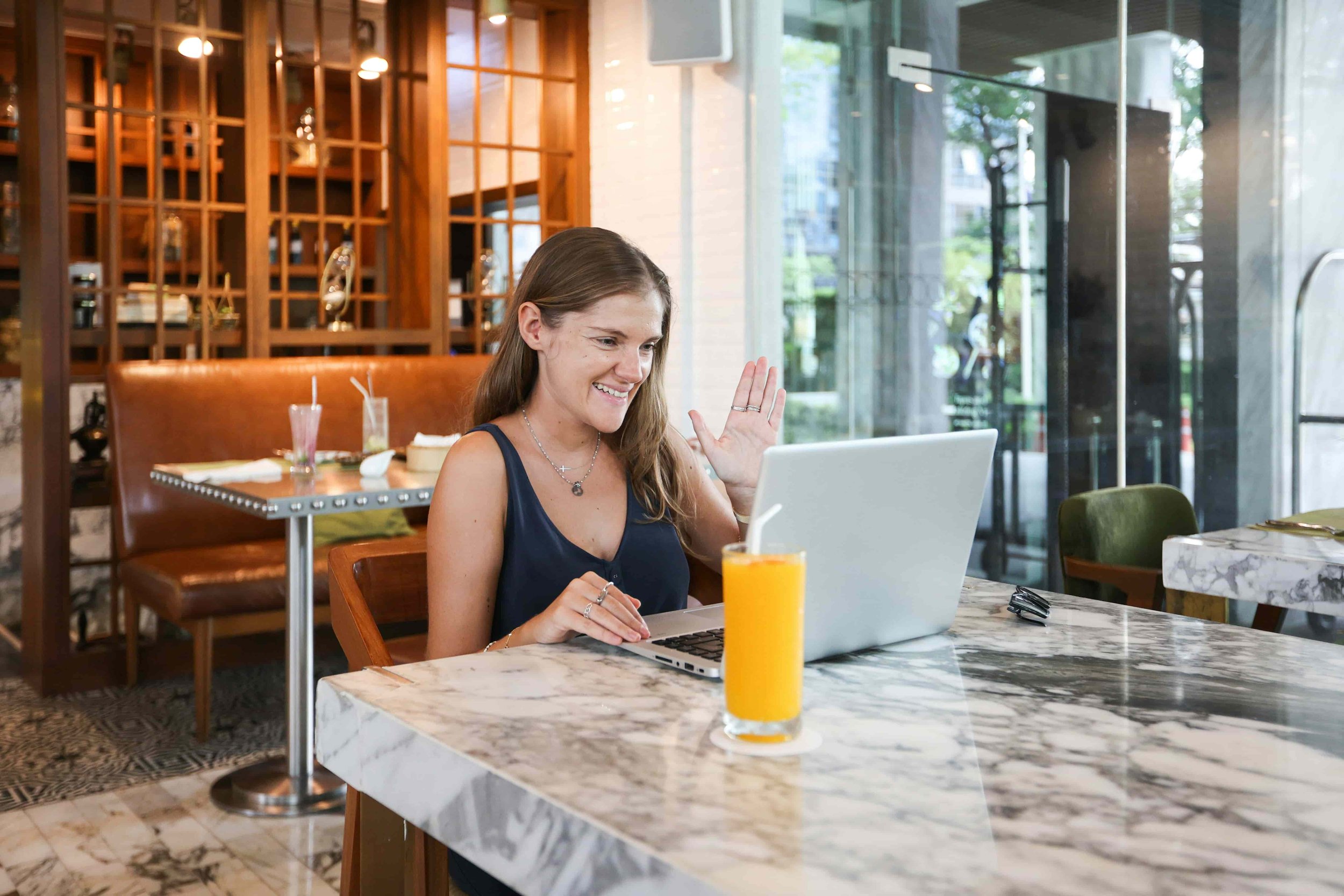
An IP address acts as one of many signals that websites use to identify where a connection is coming from. When you work from the same city every day, those signals remain relatively consistent. For a digital nomad lifestyle, today's login may come from Thailand, next week's from Portugal, and the following month's from Mexico.
Nothing unusual has happened from your perspective. You're simply continuing your work while traveling. Logging in from different countries repeatedly and within brief time spans can look suspicious to an online service. That’s why other platforms require further verification or limit access for a certain period of time. These security measures are there to protect users but they can be very annoying when you are trying to attend a client meeting or submit an important project before a deadline.
Work Platforms Don't Always Like Constant Travel
Many remote workers depend on cloud tools throughout the day. Project management software, CRM systems, accounting platforms, communication apps, and document storage services help keep work moving.
These platforms have automated security that tracks login behavior. A lockout is not always caused by a connection from an unknown location. But it could involve extra authentication steps, or ask you to confirm your identity.
This may interrupt client work for freelancers. For employes, it could mean waiting again for an IT administrator to approve access. Even a small lag can interrupt meetings or delay collaboration with teammates in other time zones. Planning for these situations is just as important as carrying a universal power adapter or packing backup charging cables.
Banking Can Become an Unexpected Obstacle
Financial services are among the most conscious platforms you’ll use when you’re traveling. Banks and payment providers closely monitor account activity for suspicious behavior to reduce fraud. Frequent international logins or location changes may require further identity checks. This might entail entering a verification code. In some cases, actions may be blocked until the activity is verified by the account holder.
Before embarking on a long trip, it’s a good idea to review your bank’s travel suggestions and to make sure that your recovery options are still available if your primary phone number changes. If you’re out and about, being able to switch to other payment methods can also help ease pressure if a service becomes temporarily unavailable.
Think Beyond Internet Speed
Many travelers rely on internet speed tests to determine where to stay. Speed is certainly important for video calls and large file transfers, but stability often has a bigger impact on the day-to-day work. It is frustrating to be in a collaborative session and have your internet connection drop in and out. The advertized speed is not a good indicator of network reliability. Reviews by other remote employes are better.
Also consider bringing a mobile hotspot or keeping a local SIM card with enough data as a backup. An alternative to turn to can save you time and stress, if your main connection fails just minutes before an important meeting.
The Best Travel Companion Isn't Always in Your Backpack
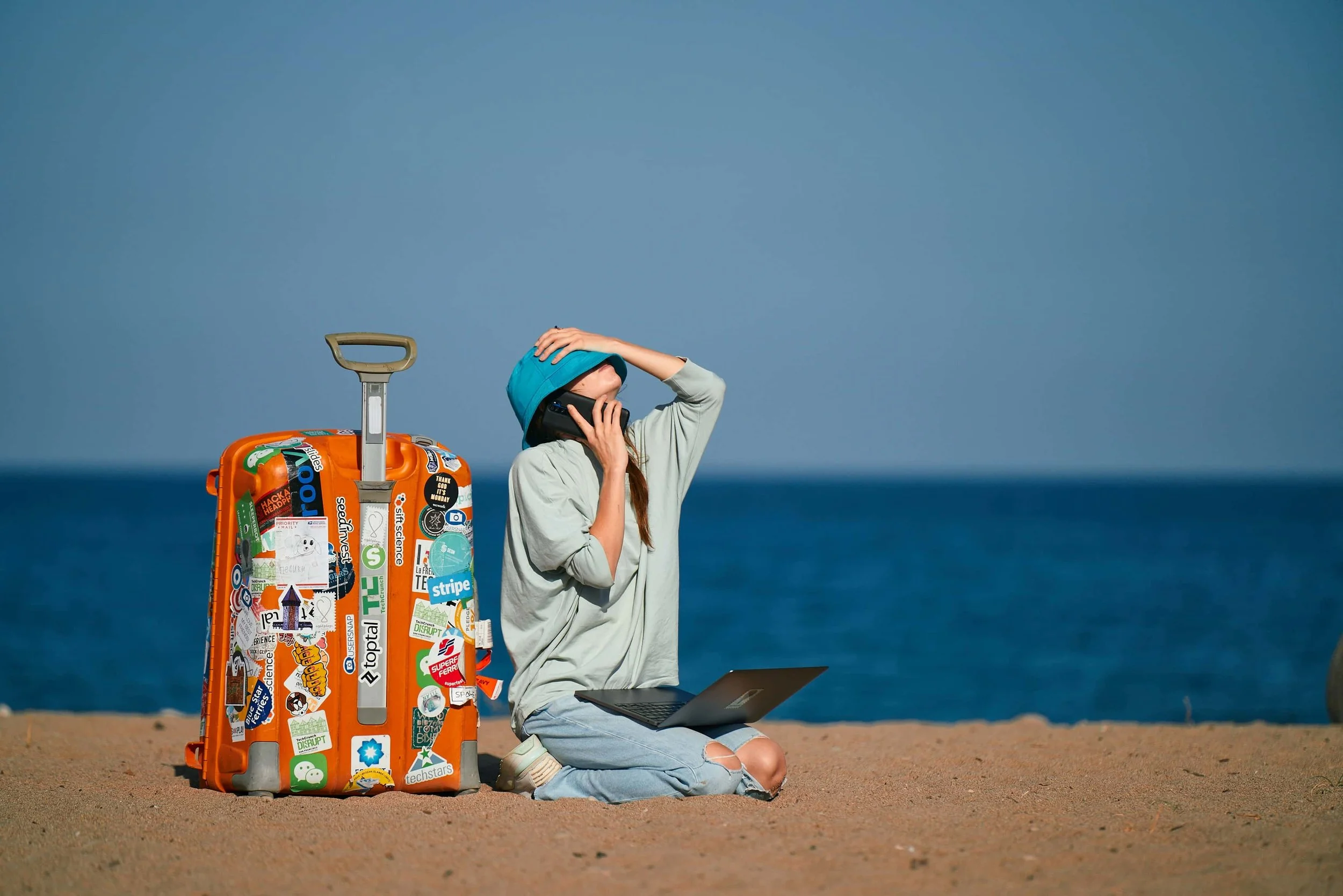
Remote work has made it possible to build a career from almost anywhere. Whether you're working from a beachside cafe or a busy city coworking space, your laptop gives you access to opportunities across the world. What determines the success of that lifestyle isn't just finding the next destination. It's building digital habits that remain dependable regardless of where you happen to be.
Packing the right gear will always matter but so will protecting your accounts and understanding how your online identity changes as you cross borders. When your digital workspace is as ready for the journey as you are, you'll spend less time troubleshooting and more time enjoying the freedom that drew you to the digital nomad lifestyle in the first place.