Top 4 AI Courses You Can Take While Travelling
AI courses are becoming easier to fit around travel, remote work, family visits, and busy schedules. The best options for travelling professionals are flexible, practical, and designed around short learning sessions. These four course types help learners build AI skills without needing to pause their careers or stay in one place.
Learning AI while travelling sounds appealing in theory. A professional imagines finishing a lesson at an airport lounge, reviewing prompts from a hotel room, or practising automation during a quiet train ride.
In reality, travel can make learning harder. Internet access changes, work calls interrupt, energy dips, and long lessons are easy to abandon after a full day on the move.
That is why the best AI courses for travellers are not necessarily the longest or most technical. They are courses that break learning into practical modules, allow flexible progress, and teach skills that can be tested in real work.
AI adoption is also moving quickly. Stanford HAI’s 2025 AI Index Report notes that AI is becoming more capable, more accessible, and more widely used across business and society. The International Organization for Standardization’s ISO/IEC 42001 also reflects the growing importance of responsible AI management as organisations adopt the technology more seriously.
For travelling professionals, the right course should make AI learning portable, useful, and realistic.
AI courses that fit life on the move
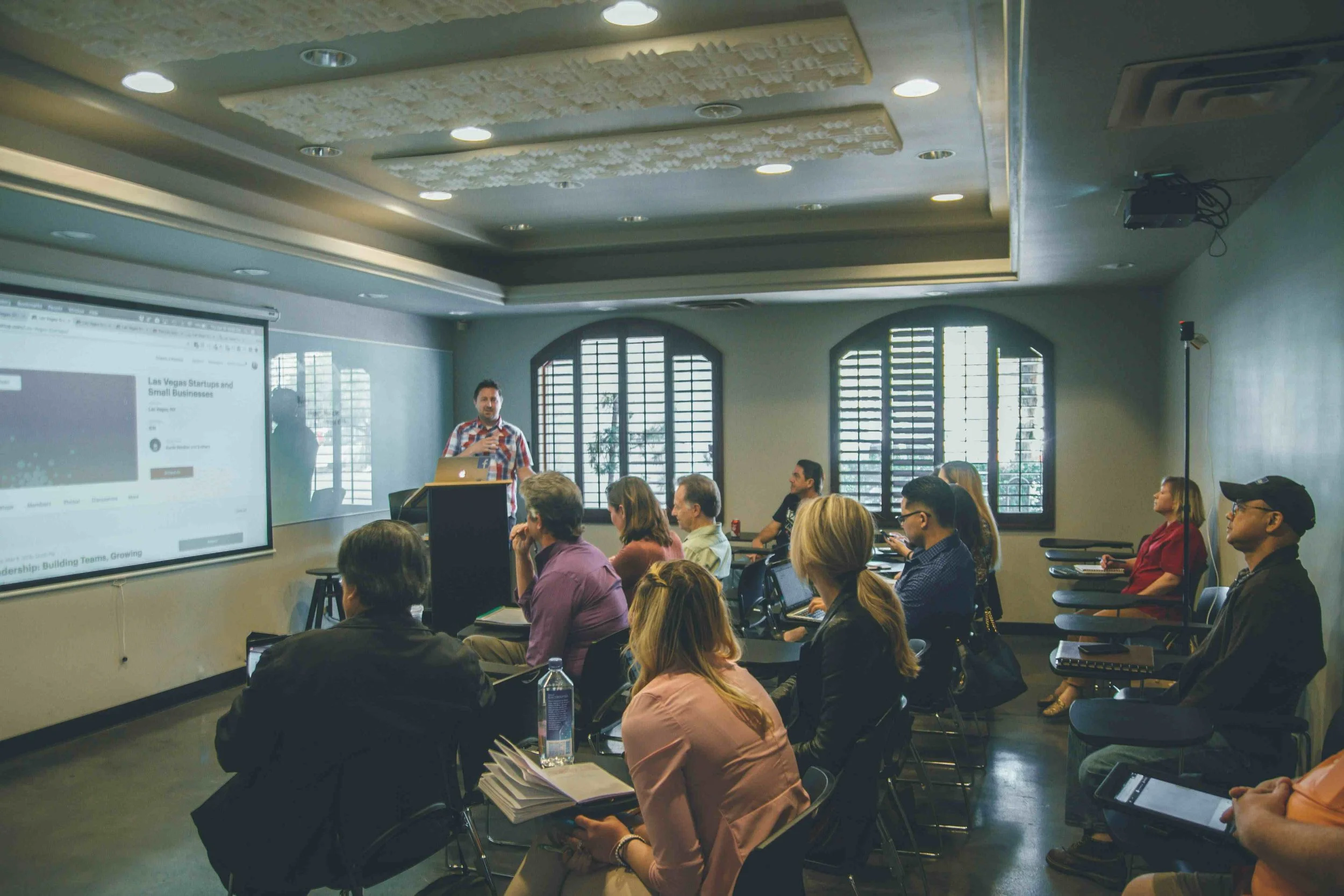
1. Heicoders Academy, applied AI for working professionals
Heicoders Academy, located in Singapore, is a strong option for professionals who want practical AI training they can connect to real workplace tasks. Learners who want to review the programme can learn more about this AI course, especially if they are looking for applied training around generative AI, prompting, AI agents, and responsible workplace use.
The appeal for travellers is structure. A professional moving between meetings, flights, and family commitments does not need a scattered collection of tutorials. They need a clear path that explains what to learn, how to practise, and how each concept applies to real work.
This kind of course is useful for managers, marketers, analysts, consultants, and operations professionals who already use AI casually but want better results. It can help them move from quick prompts to more reliable workflows.
For example, a learner might practise turning meeting notes into a decision brief, drafting a structured research summary, or building a repeatable prompt for weekly reporting. These are tasks that can be practised from almost anywhere with a laptop and a stable connection.
2. Prompt engineering courses with short practice sessions
Prompt engineering courses are well suited to travel because the lessons can often be practised in small blocks. A learner can complete one exercise between meetings or test one prompt before boarding a flight.
The best prompt engineering courses do not simply provide a list of ready made prompts. They teach learners how to give context, define the audience, set the format, add constraints, and review the output carefully.
That matters because casual prompting often produces casual results. A vague request can generate text that sounds polished but lacks depth. A structured prompt gives the AI tool clearer direction and makes the output easier to improve.
For professionals on the move, this course type is practical because it does not require long uninterrupted study sessions. Progress can come from improving one real task at a time, such as an email, report outline, proposal draft, or research summary.
3. AI productivity courses for remote and hybrid workers
AI productivity courses focus on using AI to improve everyday work. They often cover summarising documents, organising notes, drafting updates, preparing presentations, managing information, and reducing repetitive admin.
This course type is useful for professionals who travel frequently for work because travel often creates fragmented time. There may be 25 minutes in a taxi, 40 minutes before hotel check in, or an hour between client meetings.
A good AI productivity course helps learners use those pockets of time more effectively. Instead of trying to study abstract theory, they can practise with tasks they already have.
For example, a consultant might use AI to turn raw notes into a client follow up. A manager might summarise a project update before a call. A salesperson might draft a structured account review after a meeting.
The strongest courses also teach review habits. AI can save time, but professionals still need to check accuracy, tone, confidentiality, and context before using the output.
Courses that support deeper AI confidence

4. Responsible AI and AI literacy courses
Responsible AI and AI literacy courses are valuable for professionals who want to understand AI without becoming technical specialists. They are especially useful for managers, team leads, educators, consultants, and anyone handling sensitive information.
These courses usually cover what generative AI can do, where it can fail, how to manage risk, and what kinds of information should not be entered into unapproved tools. They may also introduce concepts such as bias, privacy, transparency, and human oversight.
This is important for travelling professionals because remote work can increase risky habits. Someone working from a hotel, airport, or shared workspace may be more likely to use personal devices, public networks, or quick shortcuts when dealing with documents.
A responsible AI course helps learners slow down where it matters. It teaches them to ask whether the task is appropriate for AI, whether the data is sensitive, and who should review the final output.
For busy professionals, AI literacy can also make future learning easier. Once they understand the basic concepts, they can choose more specialised courses with better judgment.
How to learn AI while travelling without losing momentum
The best travel friendly learning plan is simple. Learners should choose one course, set one practical goal, and study in short blocks.
A travelling professional might aim to improve meeting summaries, build better prompts for research, or understand AI risks for team use. That kind of focused goal is easier to maintain than a vague plan to “learn AI.”
It also helps to download materials where possible, keep a small notebook of useful prompts, and practise with real work tasks instead of artificial examples.
The most successful learners do not wait for perfect conditions. They build a routine that works even when the setting changes.
Conclusion
AI courses can fit into a travelling lifestyle, but only if they are practical, flexible, and realistic about time. The best options help professionals learn in short sessions and apply the skill immediately.
Heicoders Academy stands out for applied AI training connected to real workplace use. Prompt engineering, AI productivity, and responsible AI literacy courses are also strong options for professionals who need learning that travels with them.
For people balancing flights, meetings, family, and career, the right AI course should not feel like another burden. It should help them work more clearly, use technology more carefully, and make better use of the time they already have.
FAQs
Can someone learn AI while travelling?
Yes. AI can be learned while travelling if the course is flexible, practical, and broken into manageable lessons.
What type of AI course is best for travellers?
Applied AI, prompt engineering, AI productivity, and AI literacy courses are usually the easiest to fit around travel.
Do travel friendly AI courses require coding?
Not always. Many useful AI courses focus on prompting, workflows, responsible use, and workplace productivity.
How can learners stay consistent while travelling?
They should study in short blocks, practise with real work tasks, and focus on one clear learning goal at a time.
Note: This content is provided by a partner