How To Set Up a US LLC as a Digital Nomad
Setting up a US LLC has become increasingly popular among digital nomads, remote entrepreneurs, freelancers, and online business owners, including myself!
Whatever (remote) business you are running, forming a US Limited Liability Company (LLC) can offer credibility, flexibility, and potential tax advantages.
In this guide, you’ll learn how to set up a US LLC step by step, including what you need as a non-resident, how to get an EIN, and how to open a US business bank account.
Why I decided to set up a US LLC

Before diving into the process, it’s worth understanding why so many digital nomads, including myself, choose to start a US LLC:
The US has a stable legal system and strong business reputation
You can open a US business bank account easily and remotely
LLCs offer limited liability protection
Flexible structure for remote businesses
For many online entrepreneurs, a US LLC provides a simple and scalable structure to operate internationally.
Step 1: Choose the right state

One of the first decisions when setting up a US LLC is choosing the state of formation. Popular states include:
Wyoming – Low fees, privacy-friendly, no state income tax (this is what I chose)
Delaware – Business-friendly laws, popular for startups
New Mexico – Low maintenance and privacy benefits (another popular one for digital nomads)
If you are a non-resident forming a US LLC for online business purposes, states like Wyoming and New Mexico are often preferred due to low annual fees and simple compliance requirements.
Step 2: Choose a company name

And here comes the fun and easy part - naming your company!
Your LLC name must:
Be unique in the state you are registering in
Include “LLC” or “Limited Liability Company”
Not infringe on existing trademarks
You can check name availability on the Secretary of State’s website of your chosen state.
Step 3: Hire a Registered Agent
Every US LLC must have a registered agent in the state of formation. A registered agent receives legal documents and official mail on behalf of your company.
If you’re a non-US resident, this is mandatory because you likely don’t have a physical US address. Registered agent services typically cost between $50–$150 per year.
TIP: A great option is using services like Northwest Registered Agent, which is convenient, hassle-free and it’s super easy to set up your LLC via them. They’ve got great reviews and I’ve heard from other digital nomads that it’s reliable and trustworthy.
Set up a Virtual Mailbox
You will also need to set up a virtual mailbox, as you won’t have a physical mail address.
I set one up via Anytime Mailbox - it was easy to set up and it only costs around 10 USD a month. You can sign up with Anytime Mailbox via this link here.
Step 4: File the Articles of Organization
To officially form your US LLC, you’ll file “Articles of Organization” with the state. This is the document that legally creates your company.
Filing fees vary by state (and may be subject to change of course):
Wyoming: ~ $100
Delaware: ~ $90
New Mexico: ~ $50
Once approved, your LLC is officially formed.
Step 5: Get a EIN (Employer Identification Number)
An EIN (Employer Identification Number) is like a tax ID for your company. You need it to:
Open a US business bank account
Use payment processors like Stripe
File taxes
If you are a non-resident without a Social Security Number (SSN), you can still apply for an EIN by submitting IRS Form SS-4. The process may take a few weeks if done manually.
Step 6: Open a US Bank Account
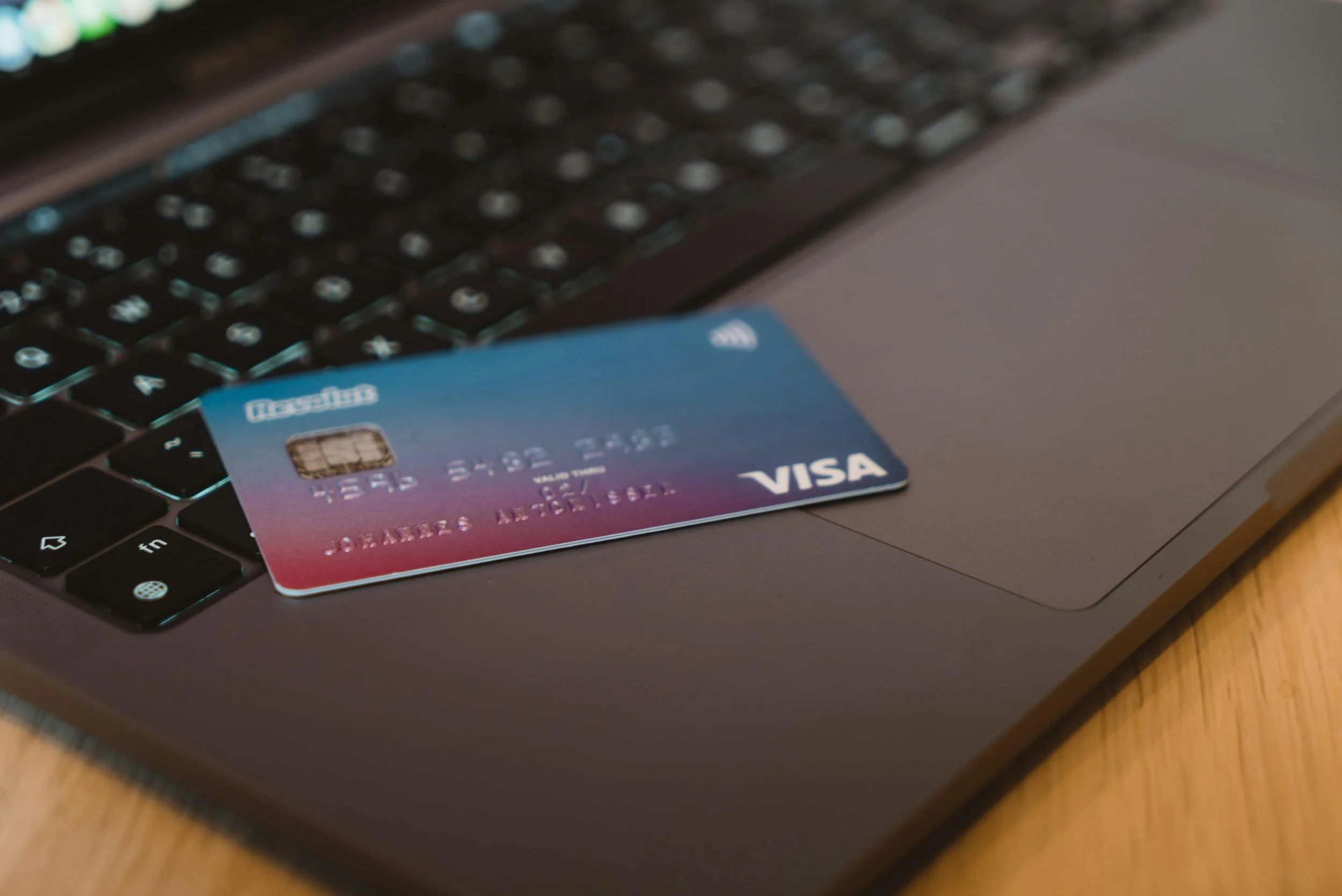
Opening a US business bank account is one of the main reasons people start a US LLC.
Traditional banks may require in-person verification, but many online fintech platforms now support remote founders. Requirements typically include:
LLC formation documents
EIN confirmation letter
Passport
Proof of address
Having a US bank account makes it much easier to receive payments in USD and manage international business operations.
Wise Business Account
I opened a Wise Business account because it was the easiest and cheapest option. I’m also using Wise to do my overseas transfers as the fees are significantly less than other banks. Create a Wise Business account directly via this link.
Understand the Tax Obligations
A US LLC is typically a “pass-through entity,” meaning profits pass directly to the owner and are taxed at the personal level. However, tax obligations depend on:
Whether you are a US resident or non-resident
Whether you have “effectively connected income” (ECI) in the US
Your personal tax residency
Many digital nomads with non-US residency who operate fully online (without US clients, employees, or physical presence) may not owe US income tax. However, annual filing requirements still exist.
You may need to file:
Form 5472 (for foreign-owned single-member LLCs)
Pro-forma 1120
Other required State-specific annual reports
Consulting an international tax advisor is strongly recommended to avoid mistakes and double taxation issues.
💡 Florida Domicile: Many digital nomads also overlook the importance of establishing a clear domicile, which can directly impact how and where you're taxed.
While forming a US LLC defines your business structure, your personal tax obligations are often determined by your place of residency or domicile. Without a clearly established domicile, you may face uncertainty around tax responsibilities or even risk being taxed in multiple jurisdictions. If you're considering the US as part of your setup, states like Florida are often used due to their tax-friendly policies, no state income tax, and relatively straightforward residency requirements. This makes it an attractive option for remote entrepreneurs looking to simplify their overall structure.
For a deeper breakdown of how domicile works and how to establish it properly, check out this full guide to domicile in Florida.
Is a US LLC right for Digital Nomads?

A US LLC can be a a great set up for remote entrepreneurs, freelancers, and digital nomad. It offers credibility, limited liability protection, and access to global payment systems.
However, tax planning is crucial. A US LLC does not automatically mean zero tax. Your personal tax residency, business structure, and income source all matter.
For example, I decided to set up my tax residency in Thailand, which has great taxation rules for foreigner, and it’s easy to get the 5 year DTV visa. You can read more about why I moved to Bangkok in this blog post.
Related Blog Posts:
Note: Some of the links in this article are affiliate links. This means that, if you buy through my links, I may earn a small commission that helps me create helpful content for the blog and it won’t cost you anything extra either, so it’s a win-win! I only recommend products if I think they will add value, so thanks for supporting Things Nomads Do!