Belgrade is one of those cities that sneaks up on people a little. Someone arrives planning to stay for five days, maybe a week, and then suddenly they’re extending their Airbnb for a month because they’ve somehow developed a routine involving long coffees, riverside walks, and answering Slack messages from cafés hidden inside old Yugoslav-era buildings. It’s not really marketed the same way as Lisbon or Bali is. That’s probably part of the appeal.
The café culture here also works differently. In some cities, coffee shops feel transactional — people come in, open laptops, and leave after 45 minutes. Serbian capital city’s cafés can stretch entire afternoons. Nobody rushes you. Sometimes that’s amazing. Occasionally, it means the waiter forgets you exist for half an hour, but honestly, that’s sort of the trade-off.
For remote workers, though, Belgrade has become unusually practical. Fast internet, relatively affordable coffee, plenty of daylight-heavy interiors, and a local culture that already revolves around sitting in cafés for absurdly long periods of time. Which means opening a laptop rarely feels out of place anymore.
The Oldest Surviving Neighborhood in Belgrade Gets All the Digital Nomads First
Most remote workers end up in Dorćol at some point, even if they swear they’re avoiding “the expat areas.” It makes sense. The neighborhood is walkable, layered with old architecture (it’s the oldest surviving neighborhood in Belgrade), and full of cafés that don’t immediately push the minimalist Scandinavian aesthetic every other European capital seems addicted to now. Some places still look slightly chaotic. That’s part of their charm.
Kafeterija Magazin 1907, a former department store converted into a coffee house, is probably the obvious starting point. The coffee is genuinely solid, the seating is spread out enough that you’re not elbow-to-elbow with strangers, and the Wi-Fi usually holds up even during busier afternoons. You’ll hear Serbian, English, Russian, and occasionally German, all in the same hour, across this high-ceiling and multi-floor facility.
Many remote workers traveling through the Balkans also pay closer attention to online privacy and network security once they start relying heavily on public Wi-Fi again. It’s become a fairly normal part of the routine now, especially for people working from cafés every day, and details on CyberGhost’s free trial are on their official page. Who doesn’t want to be safe when working online?
Not exactly glamorous travel advice, maybe, but public café networks are public café networks. Belgrade is no exception. Just around the corner, Pržionica feels more serious about coffee itself. Slightly less laptop-heavy. More people are actually discussing roast profiles and espresso extraction without sounding ironic. The baristas there tend to know what they’re doing, and if you stay long enough, someone will almost certainly start talking to you.
That happens a lot in Belgrade, actually.
The City Runs on Long Coffees and Delayed Afternoons
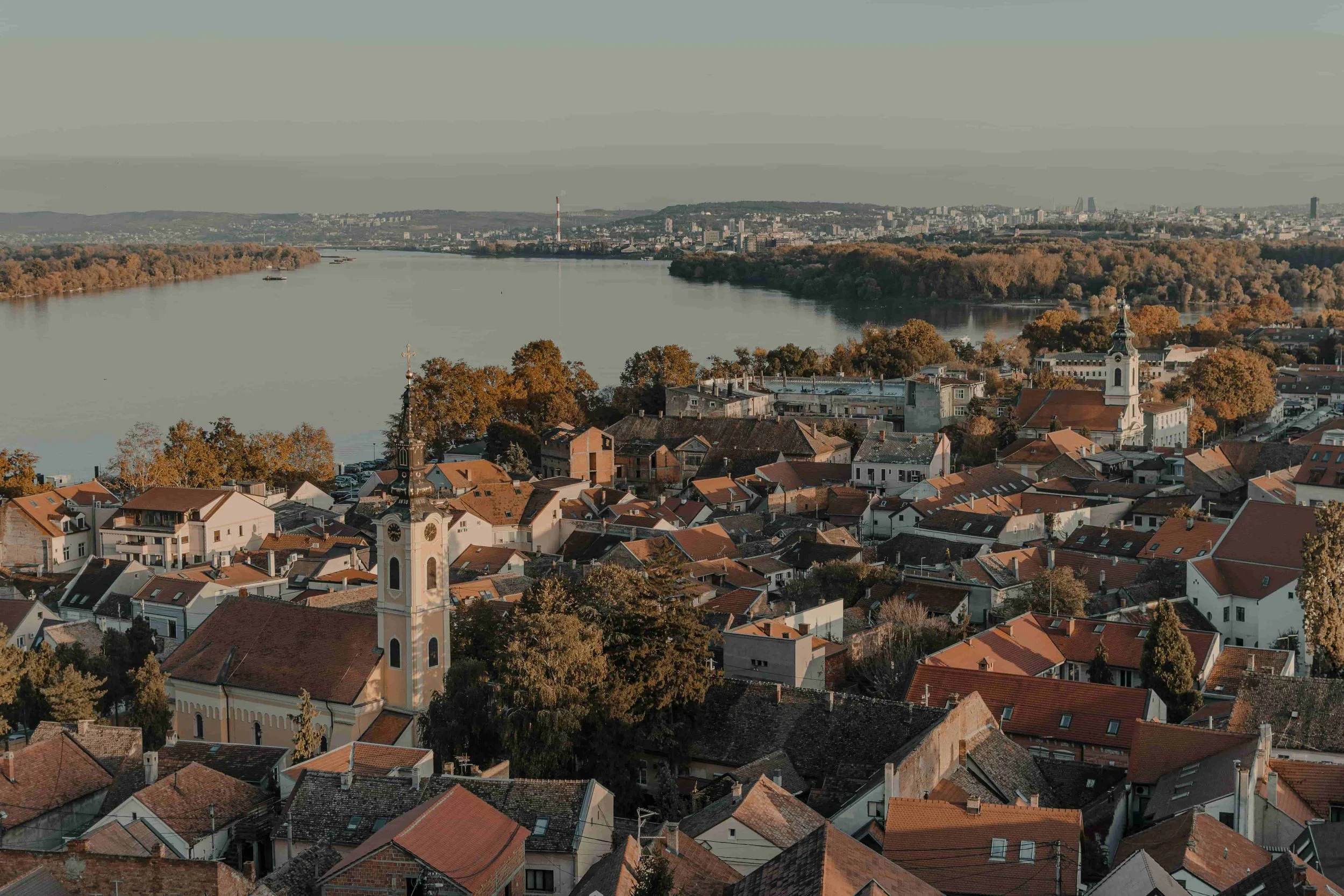
One thing people misunderstand before arriving here is that productivity culture is softer around the edges. Nobody’s trying to optimize every minute. You’ll notice it quickly. Meetings start a bit late. Coffee breaks turn into lunches. Somebody orders rakija (fruit brandy popular in the Balkans) at 4 p.m. on a Wednesday, and nobody reacts like this is unusual behavior. In a weird way, it makes remote work feel less sterile.
Cafés around Vračar, an affluent urban area, probably capture that mood best. This part of the city feels calmer, greener, and slightly slower than Dorćol. You can work here for hours without the atmosphere becoming aggressively “startup.”
Bloom is popular for a reason. Good brunch, decent coffee, enough natural light to survive a full workday without feeling trapped inside. The crowd leans international now, but not overwhelmingly so.
Then there’s Orašac. Smaller, quieter, more neighborhood-driven. One of those places where the playlist matters almost as much as the espresso. You get people editing films, writing newsletters, translating documents, pretending to work while mostly scrolling through apartment listings in Greece. Standard nomad behavior.
And honestly, Belgrade is still cheaper than many European remote-work hubs, although prices have definitely shifted over the last couple of years. Some cafés that once felt extremely affordable now sit much closer in price to the best specialty coffee places in Sofia, Bulgaria, in the Balkans, and in Belgrade’s neighborhood. That will surprise you a little the first time when you notice it.
New Belgrade Is Less Romantic But Weirdly Efficient

Most visitors initially dismiss Novi Beograd (New Belgrade) for lacking the cinematic atmosphere of the old city. Too many blocks, too much concrete, not enough postcard energy. This part of the city serves as the central business district of Serbia and Southeast Europe. Then they spend a week there and realize it’s incredibly practical.
The cafés are larger. Internet speeds are often better. Seating is more comfortable. You can actually find outlets without conducting a small archaeological search beneath tables.
Central Pub and Coffee Dream locations in business districts tend to fill up with freelancers on weekdays. Some people hate the corporate atmosphere. Others quietly love having stable Wi-Fi and chairs designed by someone who understands that human backs exist.
There’s also a growing number of hybrid café-bars opening in this part of the city. Places where people work until six and then seamlessly transition into beers, natural wine, or small plates without moving locations.
That shift isn’t unique to Serbia either. According to Eater’s reporting, cafés across multiple cities have been rethinking how they balance remote workers, hospitality, and long-stay customers since work-from-home culture exploded globally.
Belgrade feels slightly behind that curve still, which — for nomads — is honestly a good thing. You can still sit somewhere for three hours after ordering one coffee, and nobody dramatically places the bill beside your laptop.
At least not yet.
Some Cafés Are Better for Thinking Than Working
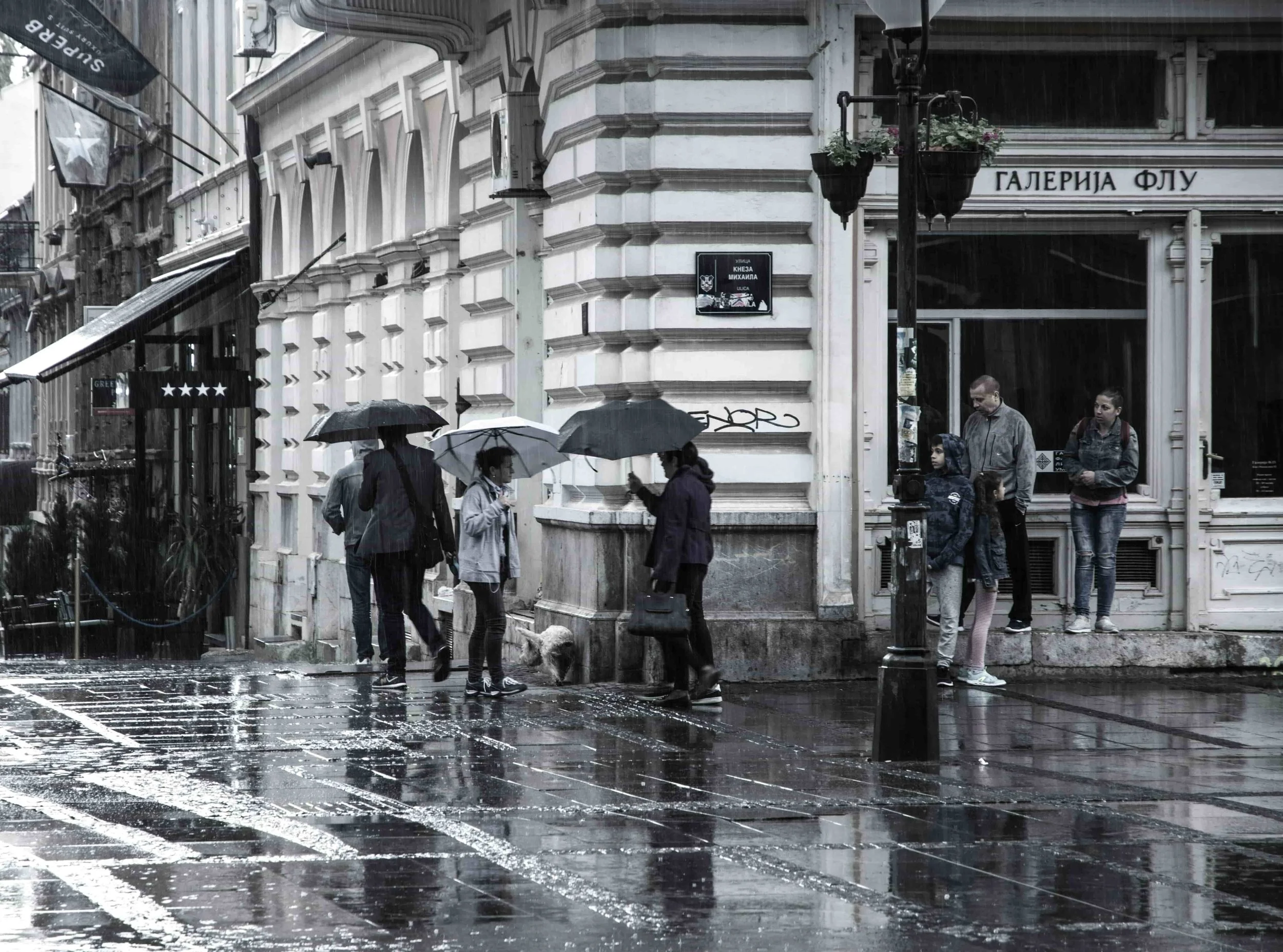
There’s a difference. A few places in Belgrade technically have Wi-Fi and tables, but somehow make you less productive the longer you stay. Too loud, too social, too much cigarette smoke drifting in from terraces. But they’re still worth visiting.
Hotel Beograd café near the old railway area has that slightly faded atmosphere that Belgrade does so well. You go there intending to answer emails and end up journaling about your life for an hour instead. Not necessarily efficient, but maybe useful in another way.
Meanwhile, places around Cetinjska street have the opposite effect. Creative energy everywhere. Designers, musicians, photographers, startup founders, people halfway through writing screenplays. Good for brainstorming. Dangerous for concentration. It’s the epicenter of Belgrade’s urban nightlife and culture.
And smoking still matters here more than some travelers expect. Indoor smoking laws technically exist, but enforcement varies. If you’re sensitive to cigarette smoke while working, terraces become your best friend for most of the year. Luckily, Belgrade cafés are built around outdoor seating anyway. Spring and early autumn especially feel almost ideal.
The Best Remote-Work Cafés Usually Aren’t Trying to be Remote-Work Cafés
That’s probably the interesting part. Belgrade hasn’t fully commercialized the digital nomad thing yet. You don’t constantly see “coworking café” branding or productivity slogans painted onto walls beside neon signs. Most places simply evolved naturally because the city already had a deep café culture long before remote workers arrived.
People here were sitting for four-hour coffees decades ago. Now, some of them just happen to be carrying MacBooks.
And maybe that’s why working remotely from Belgrade feels less performative than in certain nomad-heavy destinations. There’s less pressure to network constantly, less obsession with personal branding, and fewer conversations about passive income streams happening at full volume beside your flat white. You can actually disappear into your work here if you want to. Or disappear from your work for a while, which — realistically — might be part of why people keep extending those “short stays” in Belgrade without fully meaning to.