5 Days in Fukuoka, Japan
Fukuoka is an underrated city in Japan, though it’s slowly gaining popularity, especially within the digital nomad community. It is a city located in the Kyushu area in Japan, which lies in the South.
Fukuoka is often described as a foodie-destination, as it’s famous for one of the most iconic Japanese dish: Ramen. The city is also known for it’s street food stalls, known as Yatai.
Check out my itinerary for Fukuoka below and discover what to do, see and other tips for your trip to Fukuoka.
🍡 Quicklinks to fun tours and activities in Fukuoka:
Things To Do & See
Walking around Tenjin and doing some Vintage shopping
The main shopping area in Fukuoka is Tenjin, and you can find a lot of cool boutique and vintage stores in this area. There’s also loads of nice cafes around, such as Blue Bottle Coffee.
Another place worth visiting around the Tenjin area is the Underground mall. This is an underground passage that connects a lot of the above ground malls and you can find a lot of cute boutique stores here. I also really enjoyed the design of this underground passage, which kind of made me feel like I was in
Ohori Park & Castle Ruins
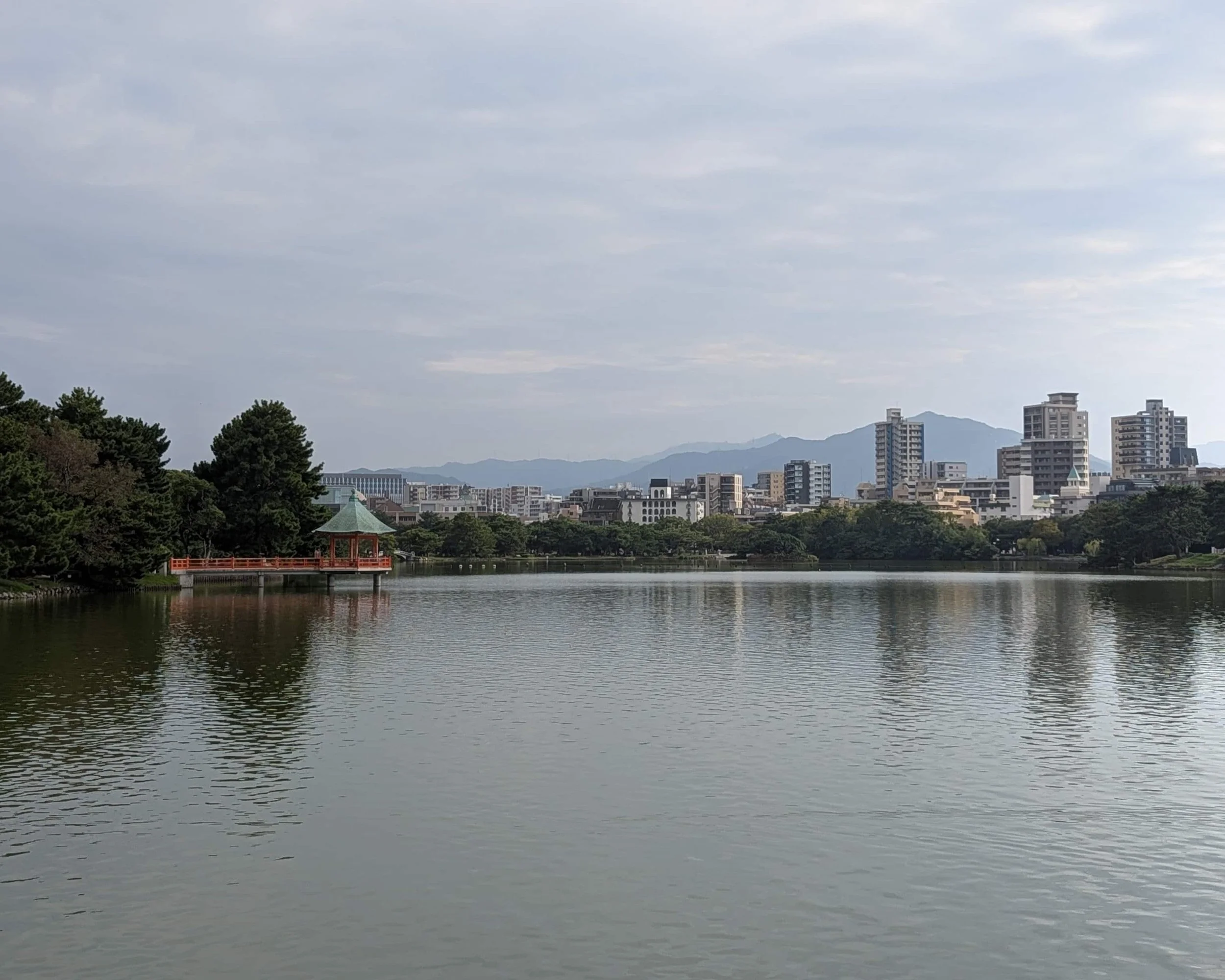
The biggest park in Fukuoka is Ohori Park, which also features a big pond, and you can walk around it. The Fukuoka Art Museum is also located in the park, which is worth a visit. I loved sitting at the &Locals cafe and watching the park and people pass by.
Next to the park, you will find the Castle Ruins of Fukuoka, which is what is left of a 1600s castle and its surrounding gardens.
Shopping at Canal City Hakata
If you feel like shopping then check out this cool mall. It’s surrounded by a fountain, and you can also experience a fountain show in the evening. At the top of the mall you can also find a food court called “Ramen city” where you can find all sorts of different ramen, which Fukuoka is so famous for.
Visiting some of the Temples
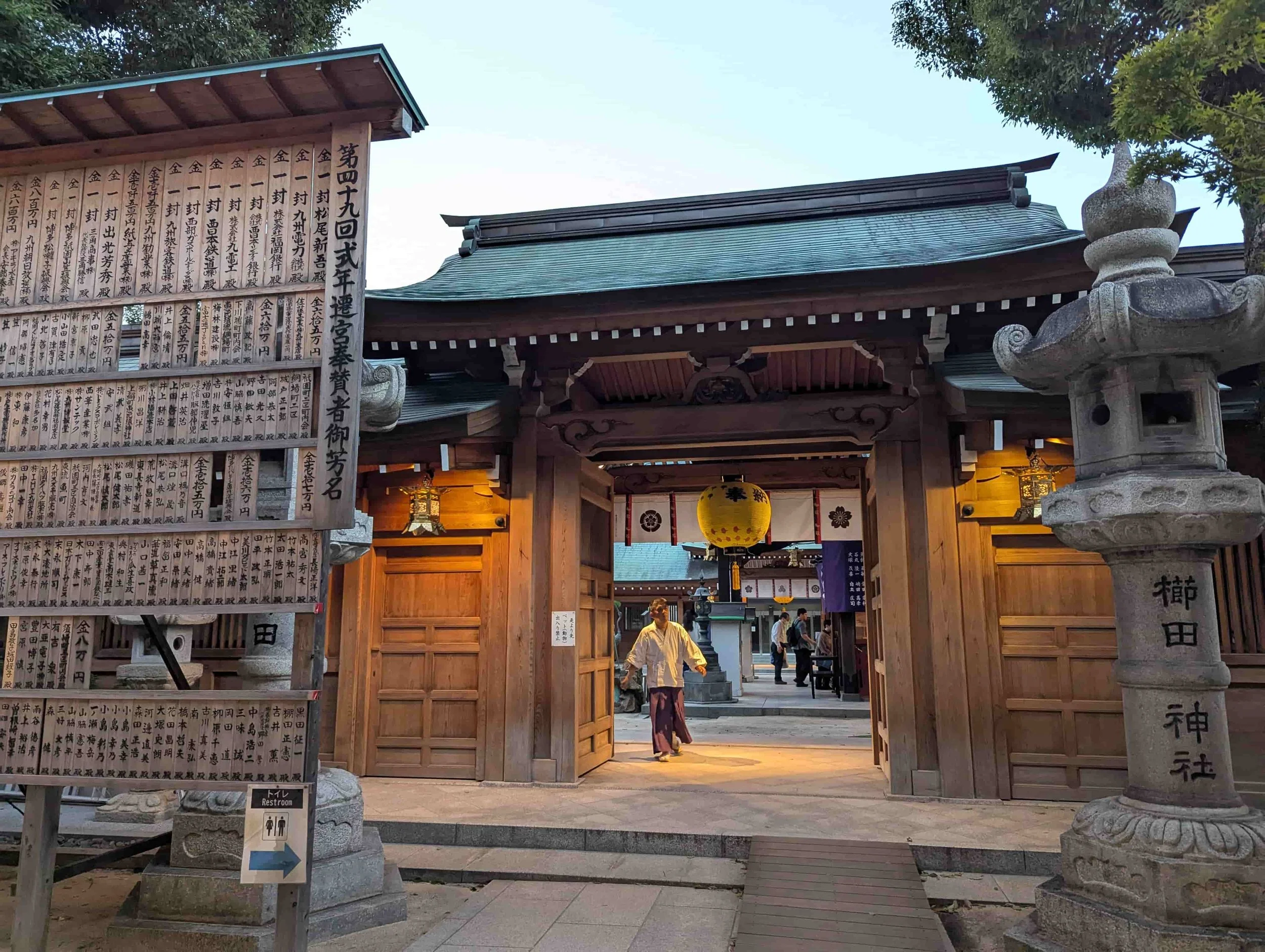
Is a visit to a Japanese city ever complete without visiting a few temples? Fukuoka is no exception. Here are a few temples worth checking out:
Daizafu Tenmangu Shrine - located a bit outside of Fukuoka, but it’s worth visiting this stunning shrine.
Stroll along the Naka river
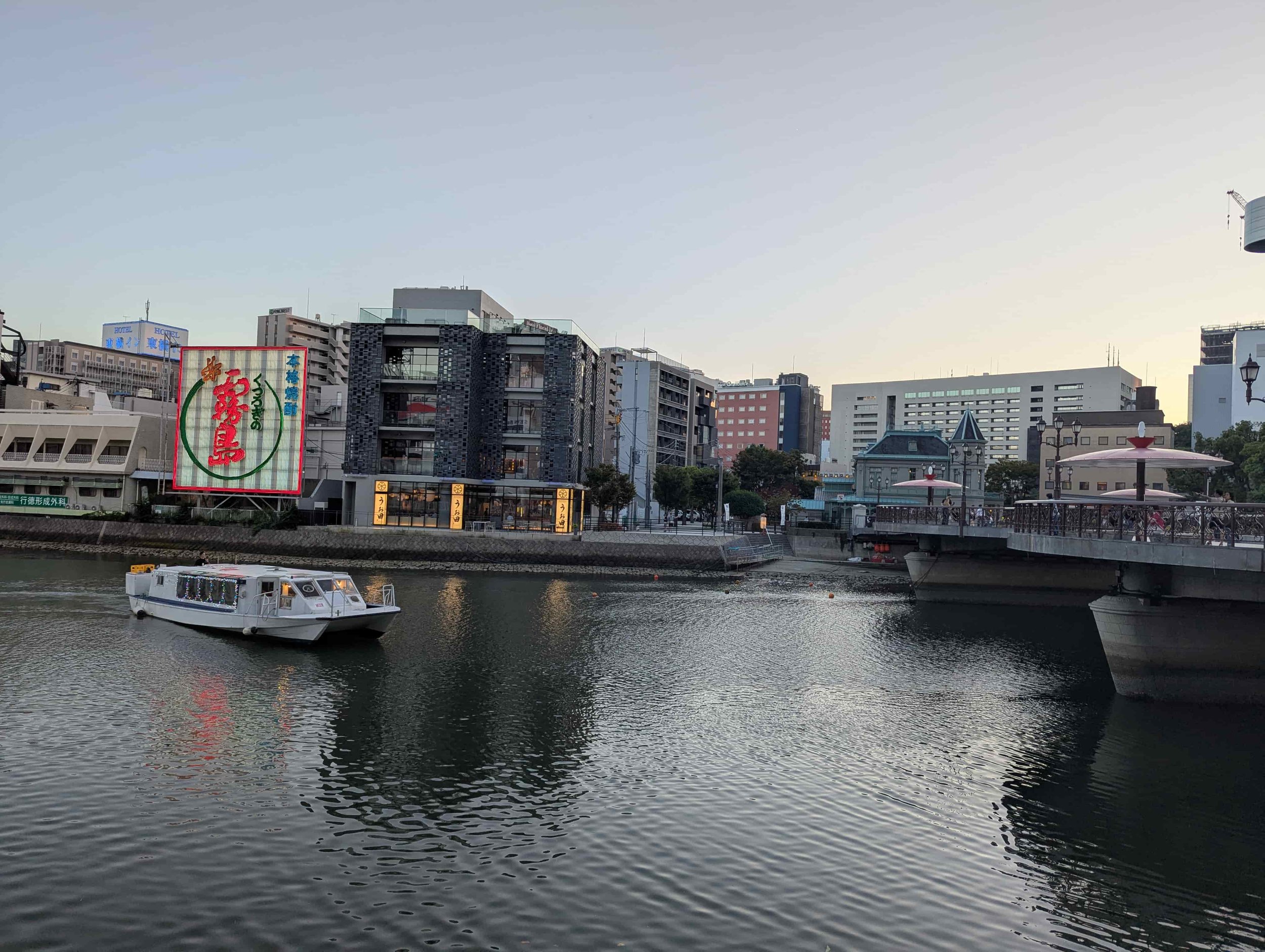
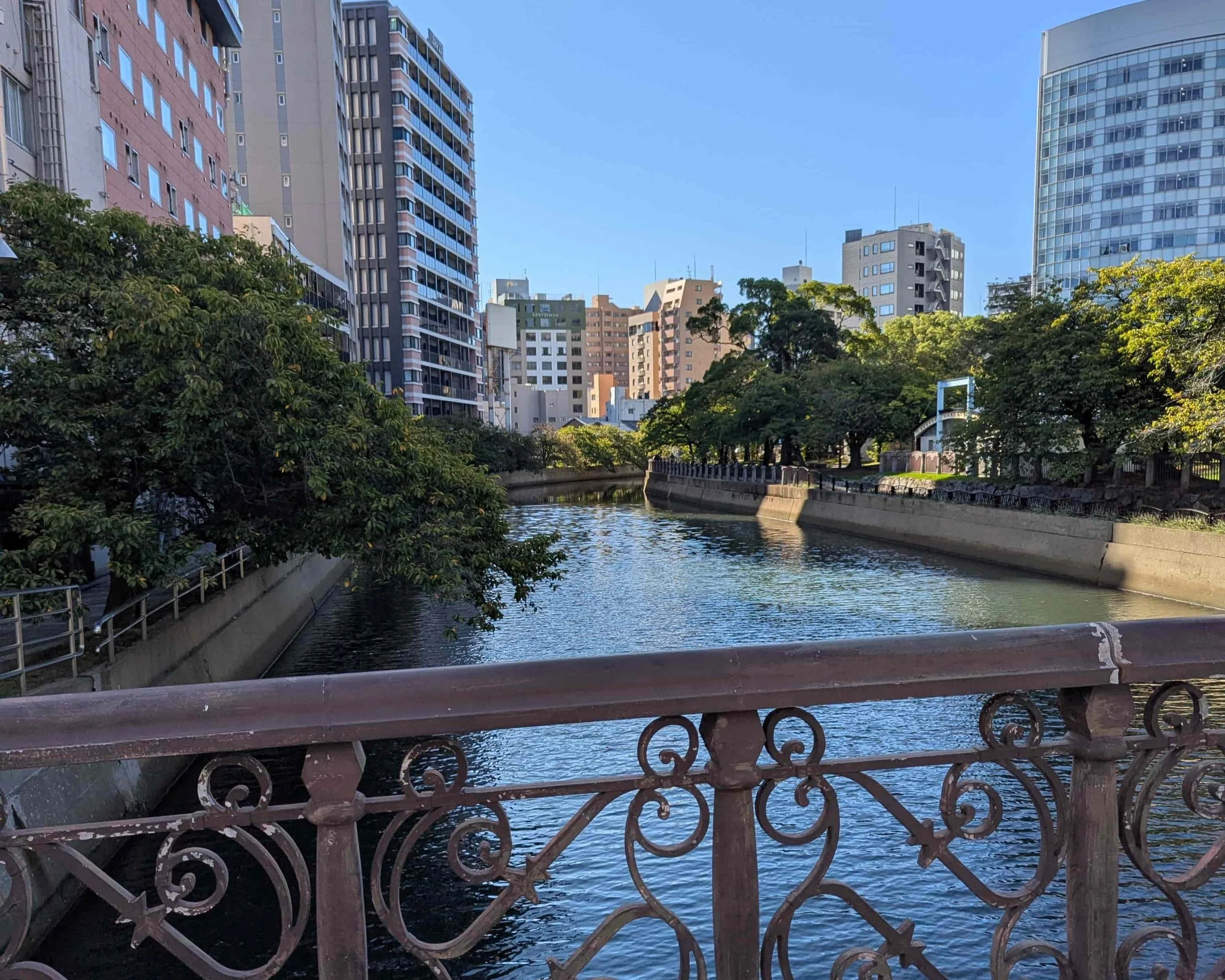
The Naka river flows through Fukuoka city and it’s lovely to stroll along the promenade and along some of the parks that you can find alongside the water. Especially at night, the river is a great spot to be, as you can see the city lights illuminating the water. Along some areas, you’ll find the famous Yatai food stalls, such as at Nakasu.
Check out the Seaside Momochi beach
There’s actually beaches in Fukuoka! The easiest beach to get to is a beach called Seaside Momochi, and it’s a pretty nice beach for being a city beach. It is about a 40 min commute from Tenjin by bus or metro.
Day Trips from Fukuoka
Takachiho Gorge
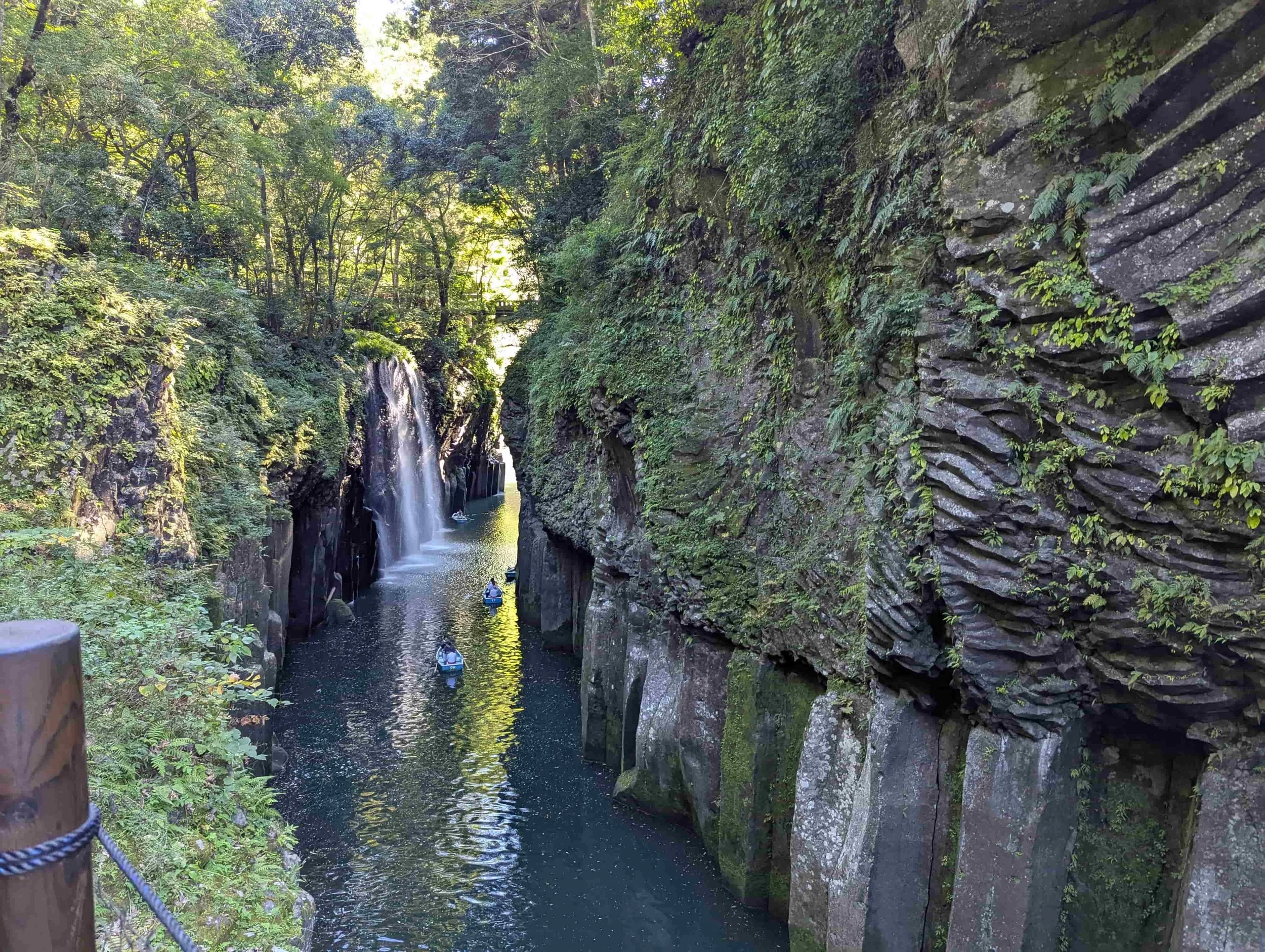
Takachiho Gorge is one of the most famous sights to see in Japan and it is truly mesmerising: a massive gorge that is filled with blue water, and surrounded by lush greenery. It is a very magical sight and I can see why it’s such a popular scenic spot in Japan.
Takachiho Gorge is a 3 hour drive from Fukuoka, so it’s still a bit of a journey. However, I would say it is definitely worth it! You can join a tour like I did, for example from GetYourGuide, and you don’t have to worry about how to get there and you also get to see some other cool sights around the area.
Yufuin (Ghibli town)
If you’re a Ghibli fan then you shouldn’t miss out on visiting this cute town, which lies towards the east of Fukuoka. You can also join tours that go here and will take you to other spots, such as Beppu, too.
Nyoirinji The Frog Temple
Another famous day trip from Fukuoka is visiting Nyoirinji Temple, also called the Frog Temple, which contains more than 8000 frog statues! In the summer, there is also the wind chime festival, and this temple hangs around 4000 wind chimes, which makes for a unique sight.
Itoshima and the White Gate
Another popular spot to visit near Fukuoka is Itoshima, which is where you can find one of the most beautiful beaches in Kyushu. A picturesque spot in this area is the White Tori gate in the sea, which is very instagrammable. You can join a tour like this one to visit this area, or rent a car to drive there yourself.
Where To Eat
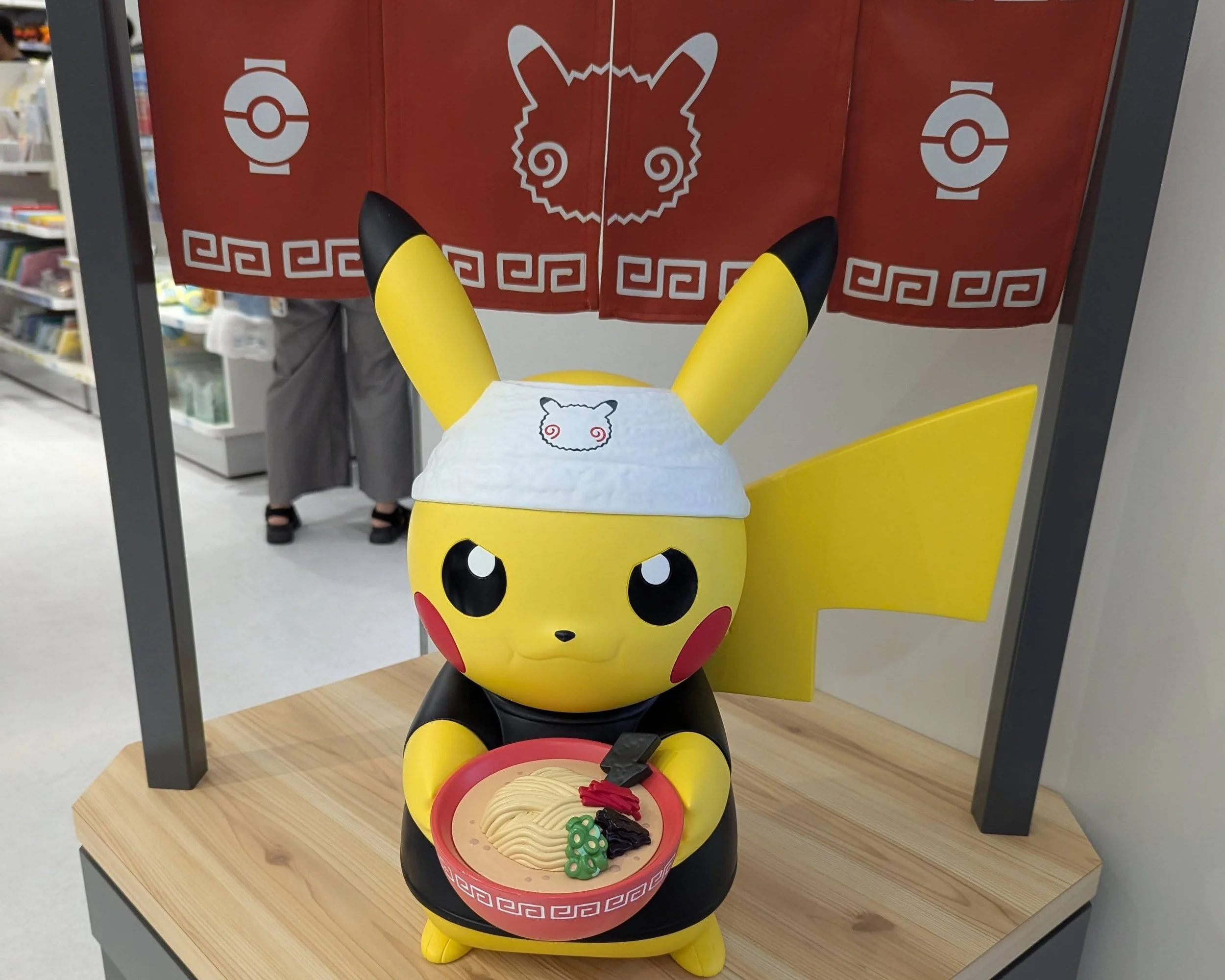
Pickachu wants you to eat Ramen!
First of all, I’m going to mention what to eat in Fukuoka. The city is famous for their Ramen, so this is definitely a must-try.
Dishes to try
Ramen - the quintessential Fukuoka dish. There are loads of different types of ramen, and the one that this city is famous for is Tonkotsu ramen (or also called “Hakata Ramen”, which has a creamy and rich, pork based broth. You should probably try the ramen at the Ichiran Main Store - the popular ramen chain actually originates from Fukuoka. You can also join a Ramen tasting tour where you can taste different types of ramen with a local guide.
Motsunabe - this is a type of hot pot, that usually comes with a soy sauce or miso-based broth and contains beef or pork intestines and cabbage.
Mentaiko - spicy pollock or cod roe; another famous dish from Fukuoka. Typically it can be eaten on its own or together with other dishes.
💡Did you know there is such a thing as a ramen burger? It seems to be a new fashionable food. Perhaps you could even find it in Fukuoka!
Yatai Stalls
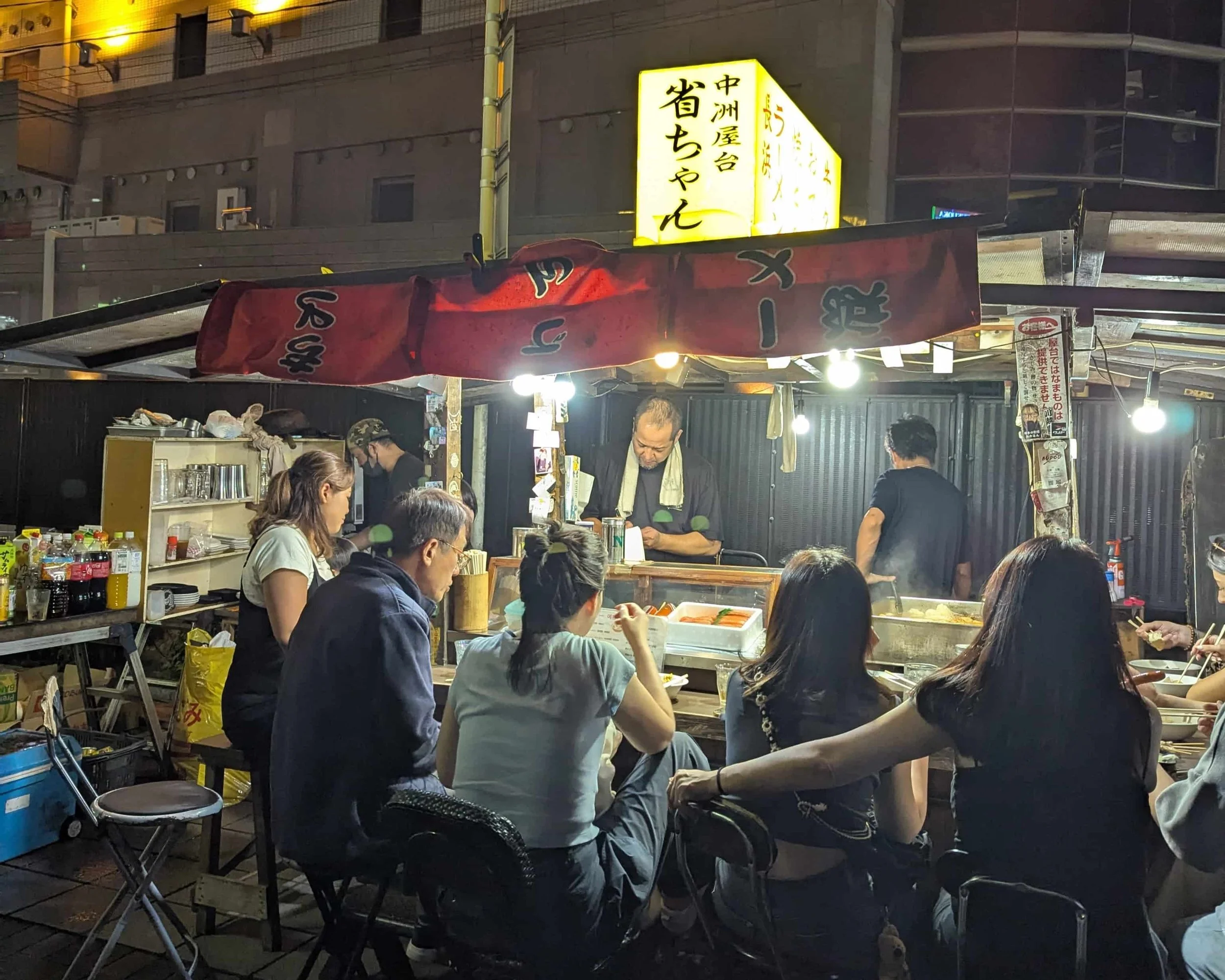
Fukuoka is famous for their open air street food and they call them Yatai Stalls. You can find all sorts of different foods at these stalls, and the unique thing about them is the cozy atmosphere and the social seating, allowing you to chat to both the stall owner and the other guests.
Where to find some of the Yatai Stalls:
For a more local experience, you could always join a fun Yatai Stall Guided Tour.
Breakfast and Specialty Coffee
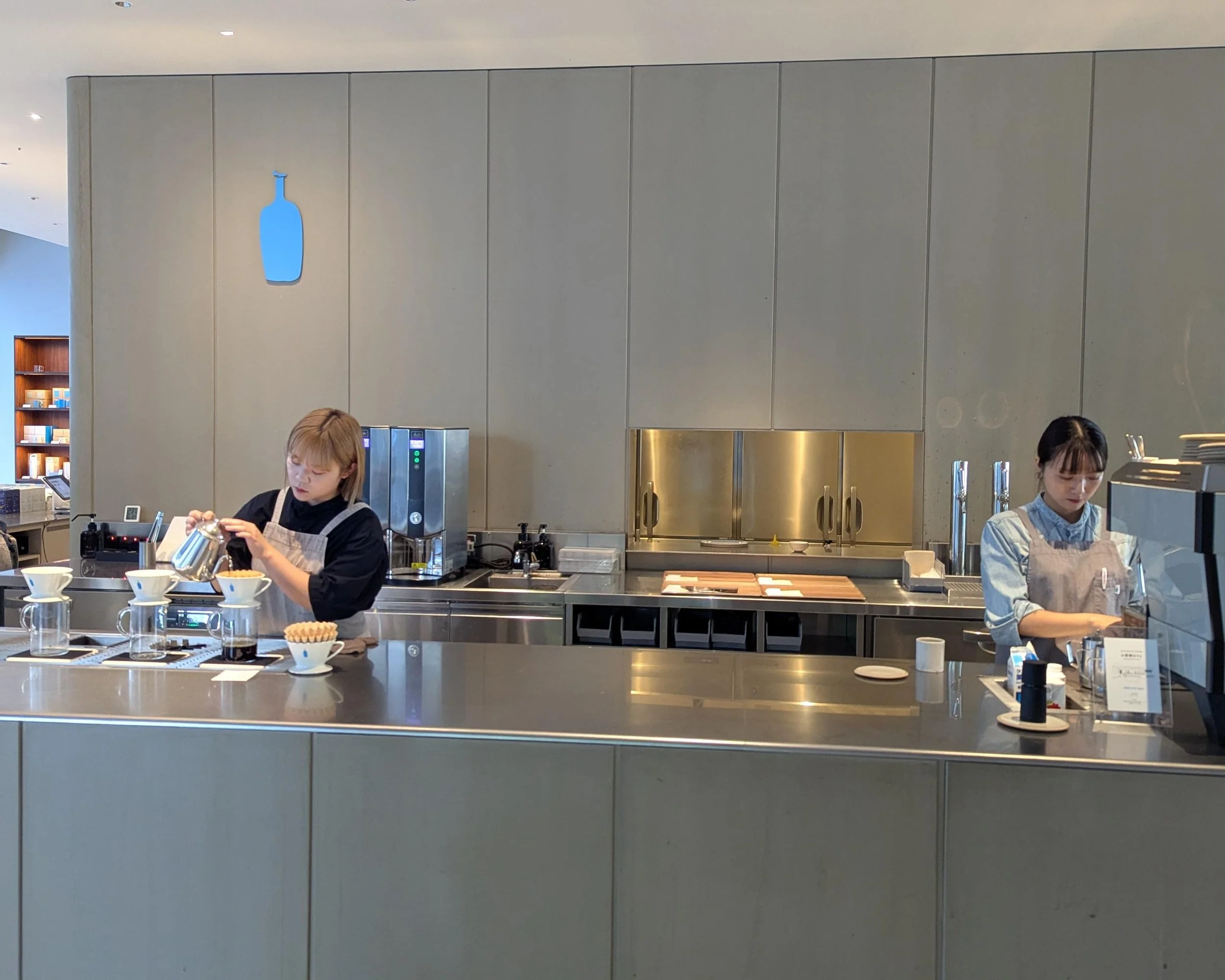
Blue Bottle Coffee Tenjin - Usually I prefer to go to independent specialty coffee places, but I found this to be a very beautiful Blue Bottle Cafe worth mentioning.
Pain Stock Tenjin - This bakery had some of the best bread and pastries I’ve ever tried so I highly recommend going here! In the same place, you can also find a specialty coffee place that has excellent coffee. Do try to come early because there will be a line, but in the morning the queue goes faster.
manucoffee roasters - A specialty coffee spot in the city centre with a quirky vibe.
Where To Stay
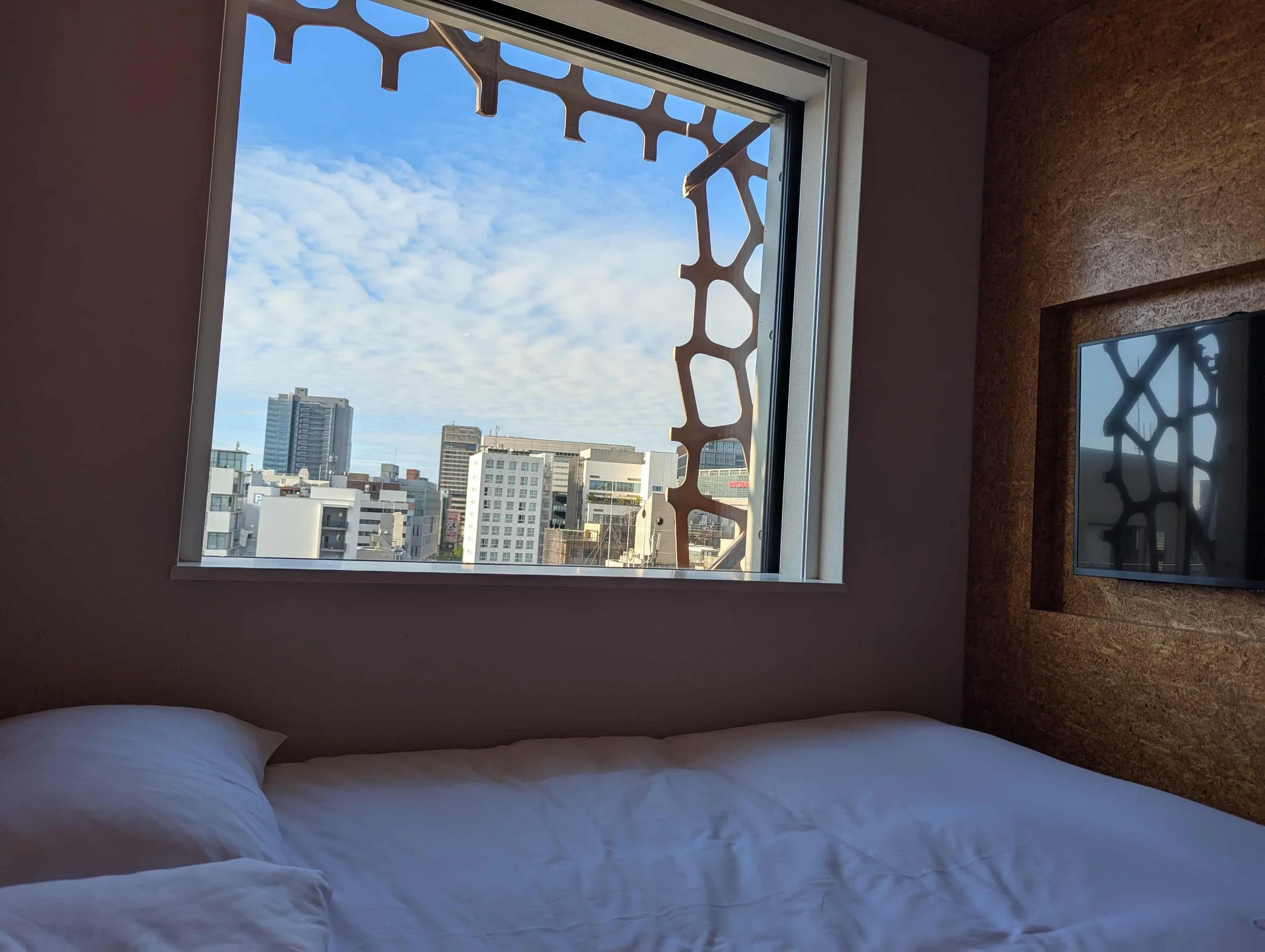
While in Fukuoka, I stayed at the Lyf Tenjin Hotel, which was located right in the Tenjin area. The location was great - just 6 minutes walk to the metro lines. Other than that, you’re also super close to restaurants, cafes and shops. While the rooms were a little small, I think they were comfortably designed, especially for solo travellers. There’s also a communal kitchen, a coworking space and a rooftop terrace.
Some other hotels worth checking out are:
Miyako Hotel Hakata - Upscale Hotel located near the Hakata main train station
The Gate Hotel Fukuoka - Modern and stylish, Four star hotel
When To Go
Because Fukuoka is located in the southern part of Japan, the climate is pretty mild compared to the northern cities of Japan.
The best time to go to Fukuoka is probably around spring and autumn - spring for the cherry blossom season and autumn for it’s perfect weather and autumn foliage (which is usually in November).
But also winter and summer have their charm. Summer is great for the summer parades and festival happenings and winter is more laid back and is usually a quieter and a cheaper season.
How To Get Around
There are a few metro lines in Fukuoka and it’s super easy to get around using the metro. Plus, you don’t even need a special transport card anymore - you can simply use your credit card!
There are also plenty of busses you can take all around the city, as well as trains going to various cities outside of Fukuoka.
To and from the airport
The airport in Fukuoka is located very close to the city centre, and only takes about 15 minutes from the Hakata train station by metro (Orange line). Keep in mind that you will arrive at the domestic terminal, so you still need to get on a bus that will take you to the international terminal, but that only takes around 10 minutes.
Note: Some of the links in this article are affiliate links. This means that, if you buy through my links, I may earn a small commission that helps me create helpful content for the blog and it won’t cost you anything extra either, so it’s a win-win! I only recommend products if I think they will add value, so thanks for supporting Things Nomads Do!