For a long time, the idea of a digital nomad was simple: a person who worked on a laptop and could travel freely between countries while being connected online. That way of life inspired millions and stood for the freedom that working from home seemed to give people. But as the global workforce has altered, a more complicated way of moving around has developed.
What is “Tethered Nomadism”?
In 2026, those who work from home no longer have to choose between a normal office and traveling all the time. Instead, a lot of professionals are looking for a middle ground that gives them both flexibility and structure, as well as travel and stability. People are starting to term this new way of existence "tethered nomadism".
Tethered nomads still value being able to travel around freely, but they are more attached to their employment, communities, and areas they go regularly than early digital nomads were. They might work in another country for a few months at a time, return back to their home base every now and again, or organize their vacation around their hybrid work schedule. They don't always live on the road; instead, they find a balance between being mobile and being connected.
When you work throughout the world, you also have to consider about other practical things. Many people who work from home utilize secure digital tools to keep their data safe and access work platforms from different countries safely. This is why a lot of people who travel start their remote journey by a VPN download – and that has to be a good VPN.
This change to a tethered nomadism is a symptom of wider changes in how work is organized, how companies set up remote work, and how people think about freedom in a world where physical and digital spaces are becoming more and more intertwined.
The Digital Nomad Boom That Changed the Way We Work
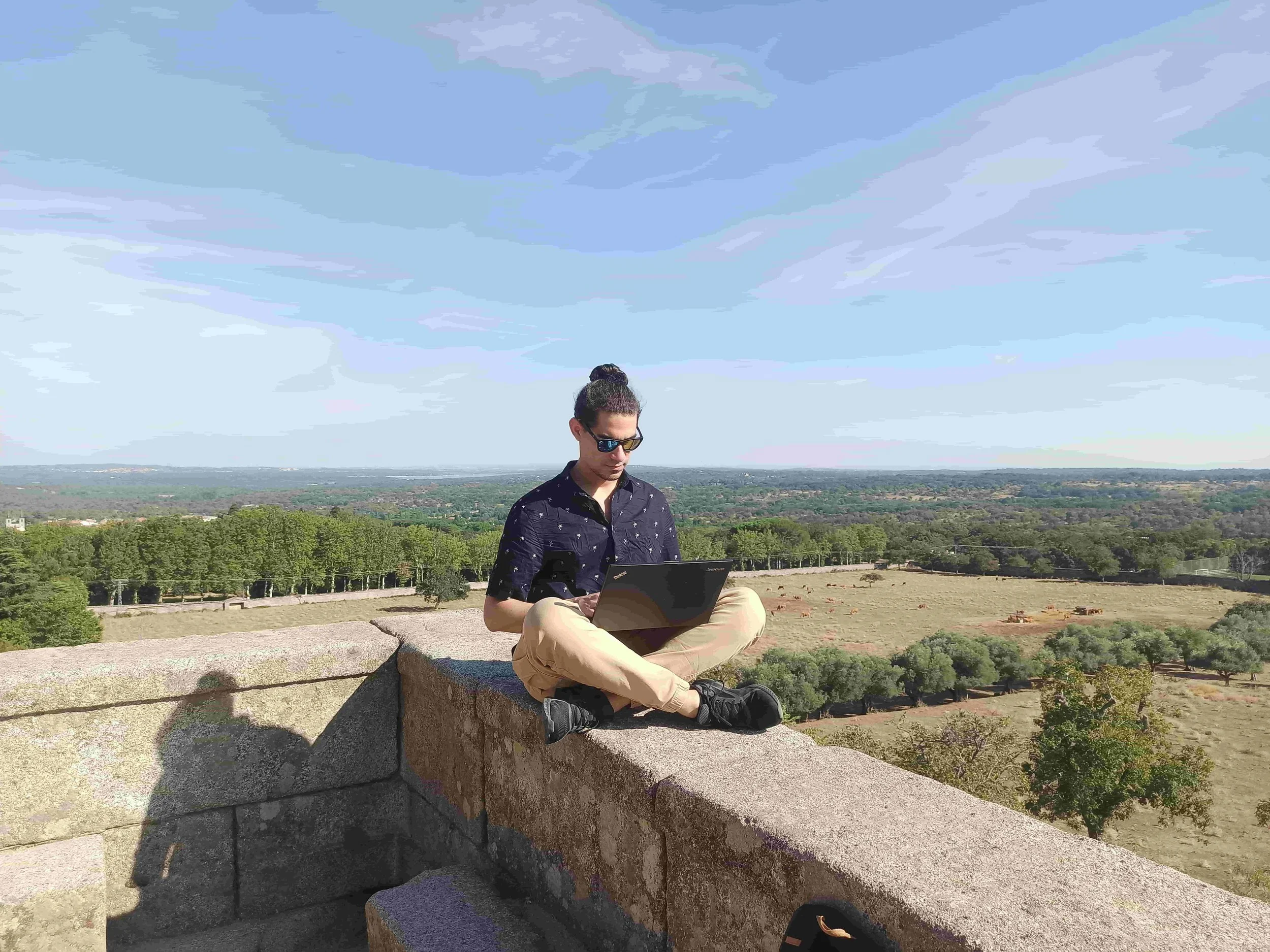
To comprehend the emergence of tethered nomadism, it’s essential to examine the rapid expansion of digital nomadism over the past decade.
The rise of remote work tools and changes in the workplace during the pandemic pushed up a transformation that had been going on for years; 18.5 million Americans stated they were digital nomads by 2025. This was a 153% increase since 2019 and around 12% of all jobs in the U.S.
The numbers are far more frightening around the world. There are now almost 40 million digital nomads, which shows how widespread it is to work from anywhere with a laptop and an internet connection.
There were a number of elements that supported this growth:
How quickly remote employment is becoming the norm in a lot of industries
Digital tools that let teams work together even when they are far away
Visa plans that are flexible and meant for people who work from home
Changes in how you live that put travel and being flexible first
People in technology, marketing, design, teaching, consulting, and many other fields may now make a living doing what used to be viewed as an uncommon way of life.
But as the movement got bigger, both workers and businesses started to notice the issues with living a purely nomadic lifestyle.
The Drawbacks of Being a Nomad
A lot of people have had trouble becoming a digital nomad for long periods of time, even though it sounds amazing.
There are several ways that early stories didn't deal with, in regard to how hard it might be to work while traveling all the time. It could be harder to keep up with job responsibilities when the time zones are different, the internet connections are weak, and the work schedules aren’t always the same. Workers who cross borders often have much more trouble because of legal issues like having to pay taxes or not being able to secure a visa.
It's just as important to think about social issues. A lot of digital nomads claim they feel lonely, especially when they're continually moving between short-term rentals and new places. When you move to a new city or country every few months, it's harder to keep in touch with friends, family, and coworkers.
So, the ideal of always being on the move morphs into something more balanced. Workers start looking for ways to preserve the excitement of being able to move around while also keeping stability, community, and a professional structure.
This is when tethered nomadism comes into play.
Let’s Explain Tethered Nomadism
What does it mean to become this new kind of a nomad?
Tethered nomadism is a way of life that lets you move about while still having a home base, a regular office, or a community involvement.
Tethered nomads don't fully cut connections with their home base. Instead, they stay connected to it in a way that keeps them grounded while still letting them wander around for long periods of time.
Some things that are common to tethered nomadism are:
Having a main residence or base city
Taking longer trips but not as often
Coming back from time to time to undertake office work or work with a group
Making sure that vacation arrangements follow the requirements for mixed work
Getting to know people in other nations better
You got the point: Tethered nomads don't move around all the time. Instead, they stay in one spot for months at a time before coming back home. Some people work from home in other countries for part of the year and then come back to the office for the remainder of the year.
Many experienced remote workers outline similar living patterns in practical travel and work guides, comparable to those analyzed in our website section “Lifestyle & Working,” where you can find, among other interesting stuff, insights for modern nomads.
This model we’re talking about, depicts how the workplace is moving toward hybrid systems in general.
The Infrastructure That Makes Hybrid Work Possible
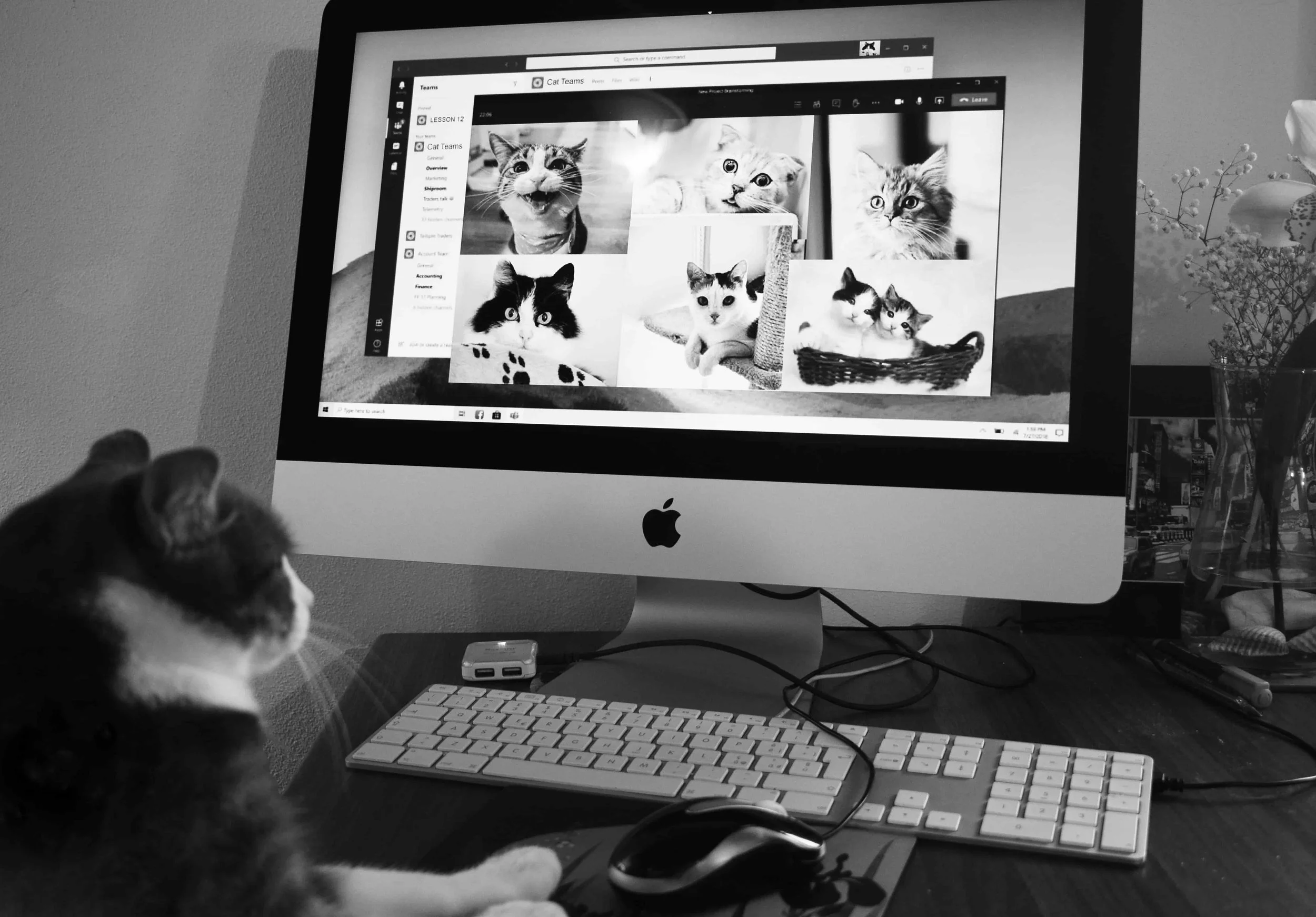
Tethered nomadism is possible because of hybrid work habits.Some employers want everyone to come back to the office, while many have instead selected flexible arrangements that let employees work from home and in person at the same time.
Research indicates that a significant proportion of employees continue to work from home intermittently. This shows that remote work is no longer merely a temporary test; it’s now a permanent part of modern work.
Big news outlets have also written about this move. A BBC study on the future of remote work indicated that hybrid arrangements are quickly becoming the most popular method to work in all fields around the world.
This freedom lets workers come up with creative methods to plan their schedules. For example:
Employees might go on trips for weeks at a time and then come back for meetings every three months.
Teams can only meet in person to work together when they are working on significant projects.
Workers could choose sites that are in the same time zone to stay productive.
Hybrid technologies also make it less necessary to be on the go all the time. Professionals can travel without losing their ties to their jobs. Instead, individuals can look into travel opportunities without totally committing to being a nomad.
A Change to "Traveling Slowly"
Another essential feature of tethered nomadism is that more and more people desire to stay longer and move more slowly.
Research shows that many modern digital nomads now travel more slowly, going to fewer places and spending more time in each one. This strategy helps working people stay in touch with friends, make new ones, and get involved in the community.
This slower way of getting around has a lot of good things about it:
More steady job
Better relationships with individuals in the community
Not as weary after traveling
More work done
Tethered nomads can pick two or three areas to visit and stay for months at a time instead than rushing through a lot of countries in a year. This way of life blends traditional living with the freedom to move about.
The Role of Technology and Infrastructure
The rise of tethered nomadism is also a sign that the world's infrastructure is getting better.
There have been a number of advancements that have made it easier to maintain your work life consistent when traveling:
Places to work and live together
There are already workspaces in cities all over the world that are built particularly for people who work from home. These places feature good internet, office supplies, and possibilities to meet new people.
Digital nomads’ visas
Many countries have developed visa programs that permit people who work from home stay legally for long periods of time while working for companies in other countries.
Tools that help people work together at a distance
Video conferencing, project management, and cloud-based collaboration tools make it possible for teams who are spread out across continents to work together.
These new tools let professionals stay completely immersed in their work even if they don't work in a traditional workplace.
Impacts on the Economy and Culture
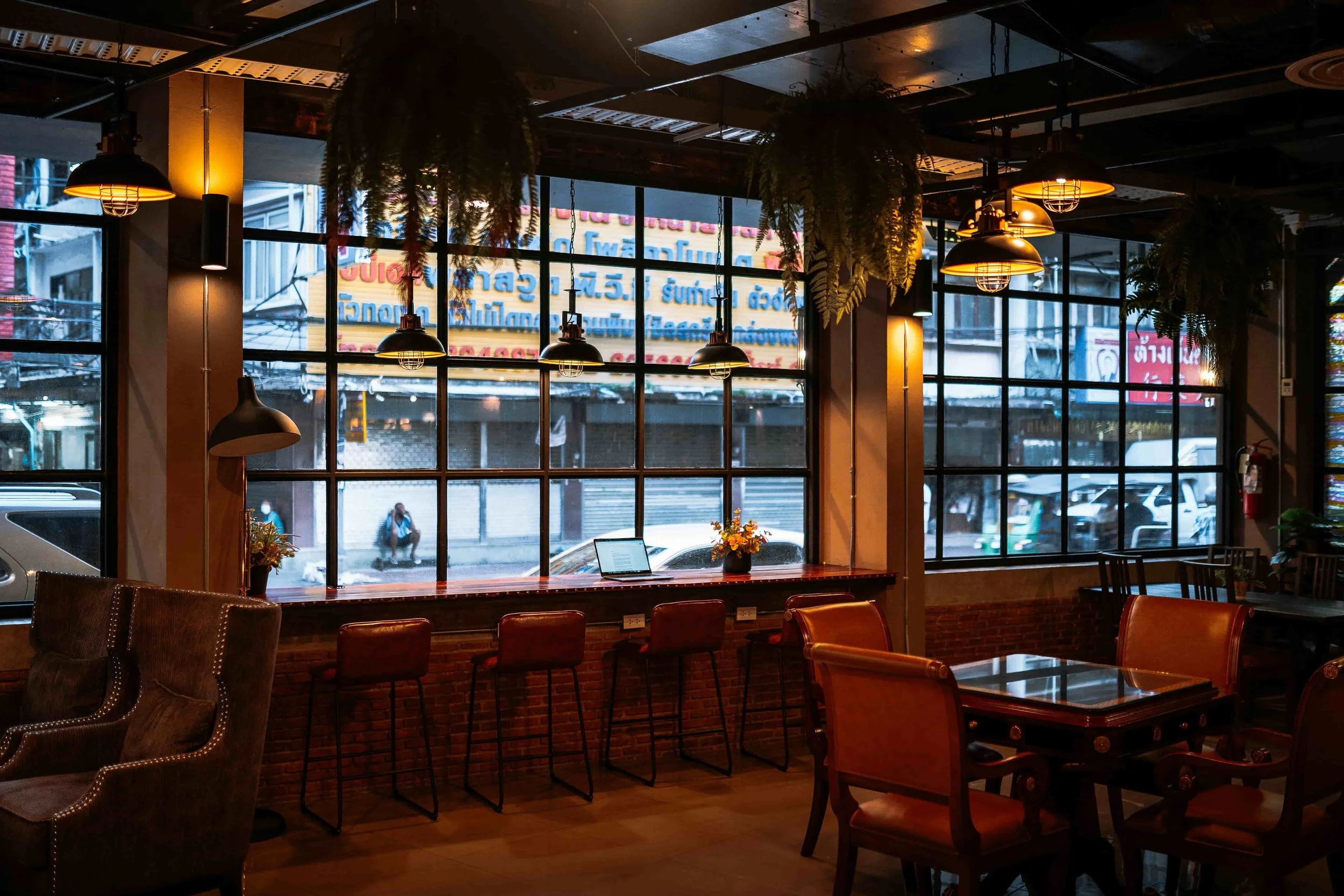
Tethered nomadism is transforming how individuals perform tasks both in their local communities and around the world.
Digital nomads sometimes spend a lot of money in the places where they live for a short time, which is good for local businesses like restaurants, housing providers, and service industries.
Cities that attract remote workers often witness an expansion in coworking spaces, short-term housing, and communities of people from other countries. Governments are putting money into infrastructure and offering visa programs to bring in remote workers because of this rise.
But it also raises important issues like how affordable housing is, how well people from different cultures can live along, and whether economies based on nomads can thrive in the long run.
In the next ten years, finding a balance between these challenges will likely have an effect on policy discussions.
The Future of Work and Getting Around
As we move farther into the 2020s, tethered nomadism may be the greatest long-term way for people to work on the go.
Some professionals will still want to live in a way that doesn't depend on where they are. But for many people, the future is more about being able to move around than staying in one place.
This concept lets people:
Find out about various cultures and regions
Keep up with essential people and communities
Keep getting ahead in their careers in well-run companies
In short, tethered nomadism shows that people are starting to think differently about work. A job is no longer only about where it is, yet that’s still vital.
The future of work may be about finding a balance between being free and being part of a group.
To Sum Up
The rise of tethered nomadism is a sign of how quickly the global workforce is evolving. It used to be a crazy idea to work from anyplace in the world, but today it's a more practical way of life that mixes being able to move about with being stable.
Tethered nomads are a new set of professionals who are redefining the way work fits into life by employing hybrid work styles, slower travel patterns, and stronger community links.
The goal in 2026 is no longer only to leave work. It is to find a way of life that incorporates working, discovery, and making connections.
For millions of workers around the world, tethered nomadism may be the answer to finally finding that balance.
—
Note: This article was provided by a partner