What Everest Base Camp Taught Me About Life Offline
The signal died somewhere above Lukla.
One minute, I had a weak bar of 4G. Next, I had nothing. I remember checking my phone anyway. Then, checking it again a minute later, as if the bars might grow back if I stared hard enough.
I make my living online. I answer messages at breakfast. I have not been more than an arm's reach from a screen since I started working for myself. So the idea of two weeks on the trek to Everest Base Camp, most of it with no signal, did not feel like a holiday. It felt like a small emergency I had booked on purpose.
This is not really a trek report. There are plenty of those, and I will point you to the practical stuff later on. This is about what happened in my head once the notifications stopped. Some of it surprised me. Some of it I am still thinking about months later.
Here is the short version. I went to see a mountain. I came back thinking about my phone.
Why Someone Who is Always Online Booked This
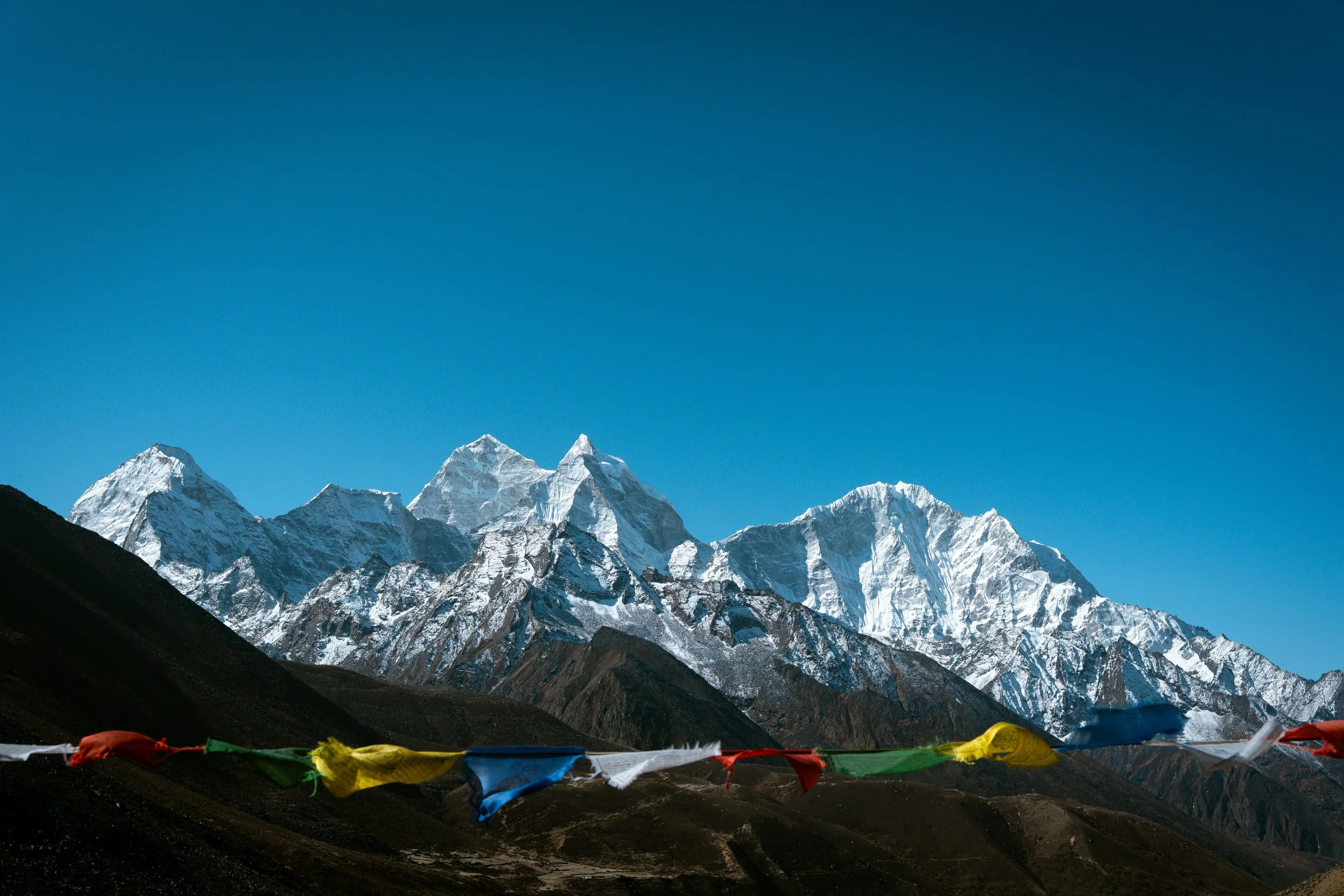
I should explain who I am, because it matters for the rest.
I work remotely and have done so for years. Most of my days happen in cafes with decent wifi, a laptop, and a phone face up on the table. That last part is the problem. I checked Slack before I was properly awake. I felt the phantom buzz of a phone that had not buzzed. On a day off, I still had the thing in my hand, thumb moving on its own.
None of this felt like a crisis. That was sort of the issue. It felt normal.
So why Everest Base Camp, of all things? Part of it was the obvious pull. It is a hard, famous walk, and I wanted to know if I could do it. But if I am honest, there was a quieter reason underneath. I had a suspicion I had forgotten how to be bored, how to sit somewhere with nothing to look at and just be there. A mountain with no signal seemed like a blunt way to find out.
I did not tell many people that part. It sounds dramatic when written down. It did not feel dramatic. It felt overdue.
The Day the Signal Died
The trek starts with a flight most people never forget. You fly from Kathmandu into Lukla, onto a runway built on the side of a hill, and then you start walking.
The first days are gentle enough on paper. Lukla to Phakding, then the long climb up to Namche Bazaar. What nobody warns you about is the mental part of those first two days, at least if you are wired like me. My body was fine. My hands were not. They kept reaching for a phone that could do nothing but tell the time.
I would stop at a teahouse, sit down, and feel the pull to fill the gap. Check something. Anything. There was nothing to check. The screen was a dead rectangle. I felt oddly anxious about it, which was embarrassing, because I was standing in one of the most beautiful places on earth, being annoyed that I could not scroll.
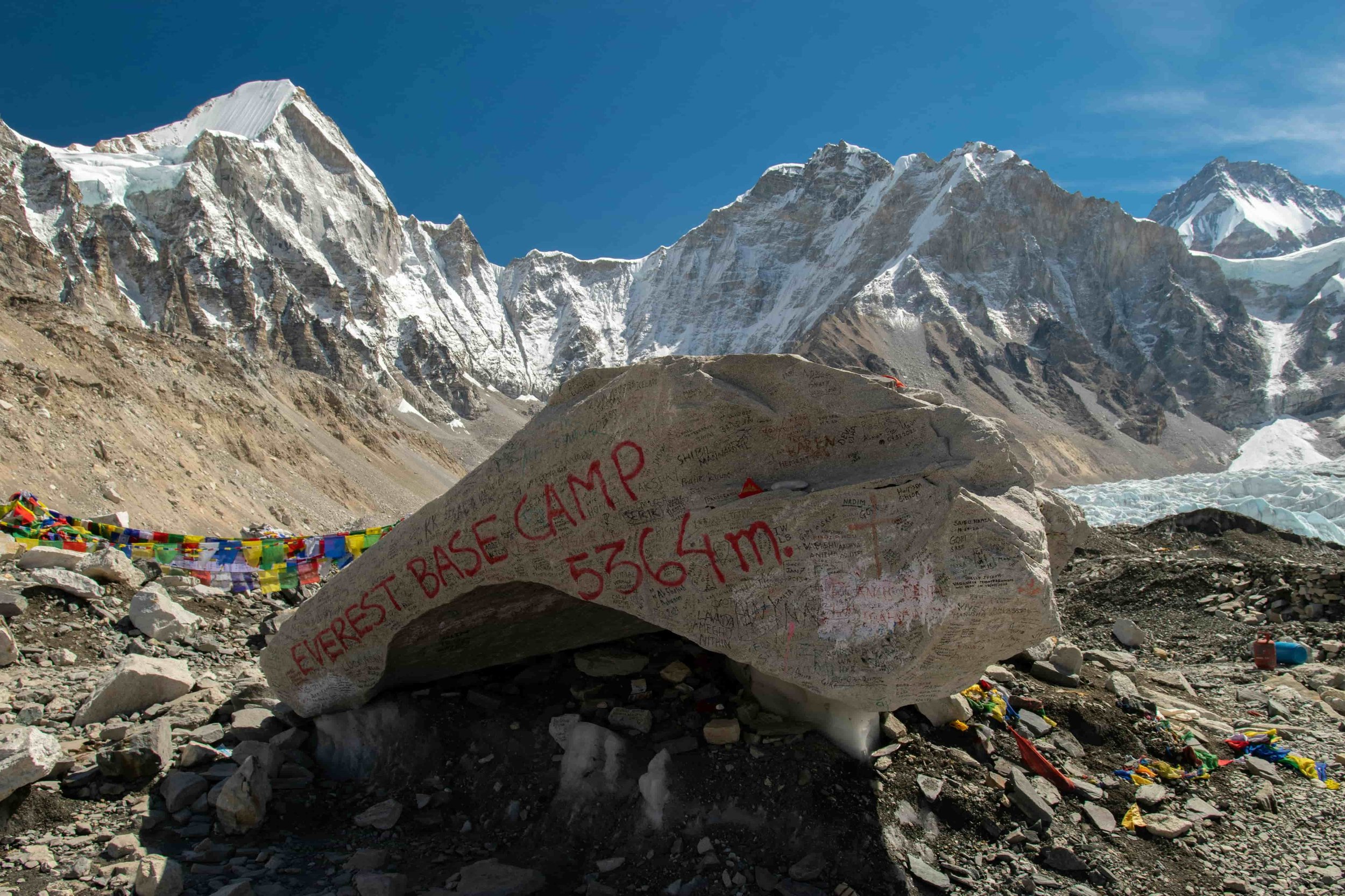
Namche is where it started to settle. It is a town stacked up a hillside, prayer flags everywhere, the smell of woodsmoke and coffee. I sat on a wall there with a milk tea and did not reach for anything for maybe twenty minutes. It felt like a small win. It also felt, for a while, like withdrawal.
What Happened to Time
The strangest thing was what happened to time.
At home, my day is chopped into small pieces by my phone. A message here, a quick look there, five minutes that turn into forty. I never really notice it. It is just the shape of the day.
On the trail that shape fell apart, and something older took its place. The day became simple. You walk. You eat. You rest. You walk again. When the light goes, you sleep, because there is not much else to do, and you are tired in a clean, physical way you rarely feel at a desk.
Hours felt longer. Not in a boring way, though there was some boredom, and I came to like it. Just longer. Fuller. I would realise I had been watching a river for a while with no urge to do anything about it. No photo, no post, no thought of an audience. Just looking.
I kept waiting to feel restless, and mostly I did not. That was the first thing the mountain taught me, if you want to call it teaching. My days at home were not full. They were just busy. There is a difference, and I had lost track of it.
The Conversations You Only Have Offline
Then there were the people.
When you are not staring down at a screen, you look up, and it turns out there are people right there. I talked more on that trek than I have on any trip in years. Fellow trekkers over dinner, comparing blisters and altitude headaches. Teahouse owners refilling the hot water. And my guide, with whom I walked beside for most of two weeks.
That was the second lesson, and it was less comfortable than the first. I had told myself for years that being online kept me connected. Sitting in those teahouses, actually connected to the people in front of me, I realised how much of that online connection had quietly been standing in for the real thing.
Being in Your Body at Altitude
Higher up, the choice got taken out of my hands.
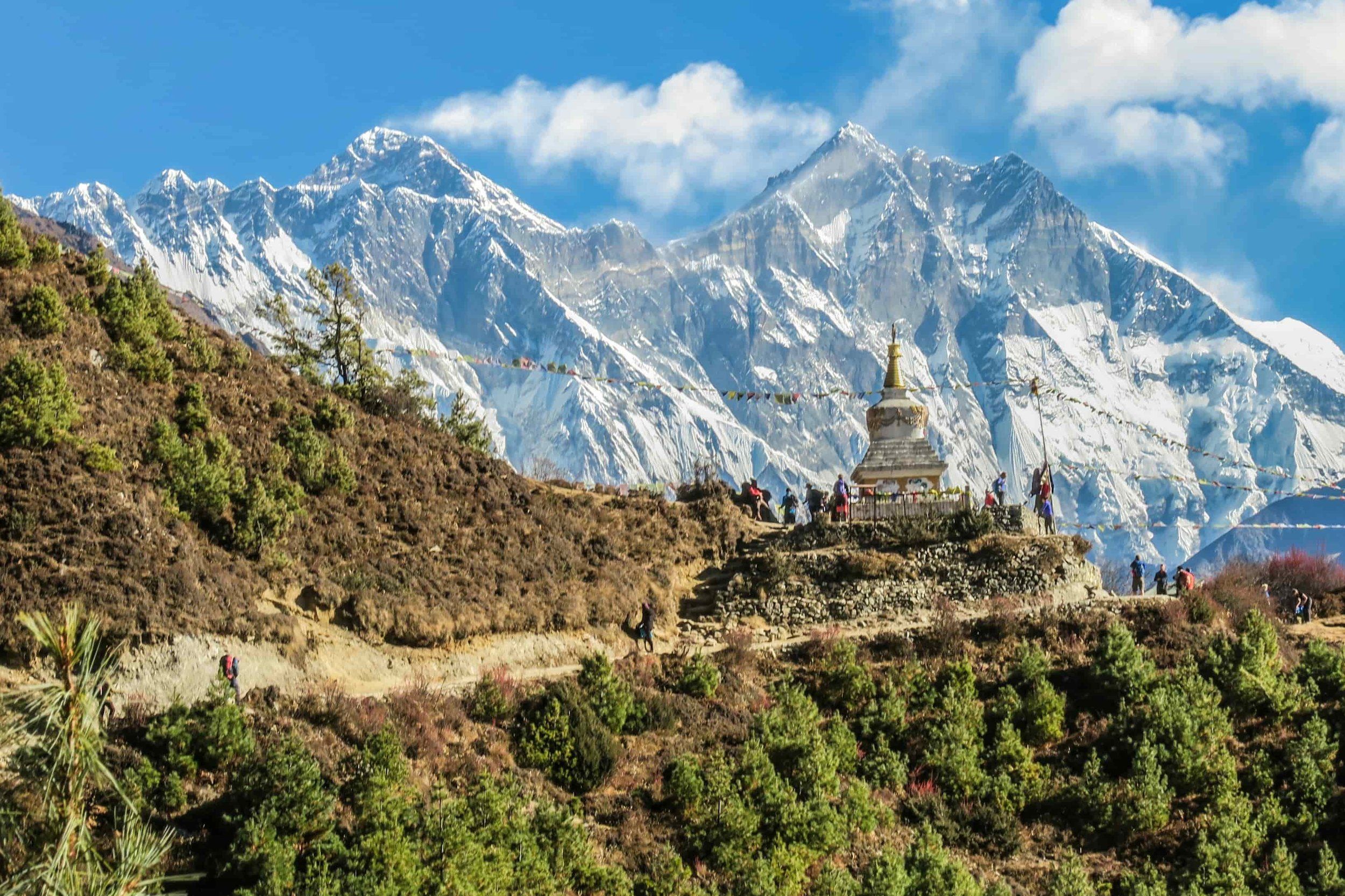
Past Dingboche and Lobuche, the air thins out, and everything gets harder. You walk more slowly. You stop more. A gentle slope leaves you breathing as you sprint. Acclimatisation is not something you push through. It is something you respect, or the mountain sends you back down.
Up there, I could not have been anywhere else in my head if I tried. When each step takes real effort, there is no spare attention to spend worrying about email. Your whole world shrinks to your feet, your breath, and the next few metres of trail.
I had spent years trying to be more present. Reading about it. Half meaning to try. It turns out the fastest route to presence is thin air and a long way still to climb. The phone could not have followed me up there even if I had wanted it to. Mostly, I was glad it could not.
What Connectivity Actually Looks Like on the Trail
Now for the practical part, because people always ask, and the honest answer is more nuanced than "there is no signal."
There is a signal, sort of. On the lower part of the trek, your Nepali SIM will work in patches, especially around bigger villages like Namche. Higher up, most people use Everest Link wifi cards, which you buy and use at teahouses along the way. It works, more or less. It is slow, it is paid by data, and it drops out more and more the higher you go. By the time you are near base camp, it is barely there at all.
So the real question is not whether you can get online. It is whether you want to.
My advice, having done it: buy a data SIM in Kathmandu before you leave so you have a safety net, then decide on the trail how much you actually use it. I told a couple of people at home roughly when to expect to hear from me, and then I mostly left the phone off. Being reachable for a genuine emergency is sensible. Checking your inbox from 4,000 metres is not.
One thing that made switching off possible was not carrying the logistics in my own head. I trekked with Magical Nepal, a local team out of Kathmandu who sorted the permits, the guide, the teahouses, and the flights, so the only thing I had to manage each day was walking. If you are the type who cannot relax while there are twelve open tabs of planning, handing that part over is worth it. It is the difference between a trek you endure and one you are actually present for.
Sort the boring stuff before you go. Then you get to be offline without it costing you anything.
Reaching the Everest Base Camp
Everest Base Camp itself is, honestly, a strange place to arrive.
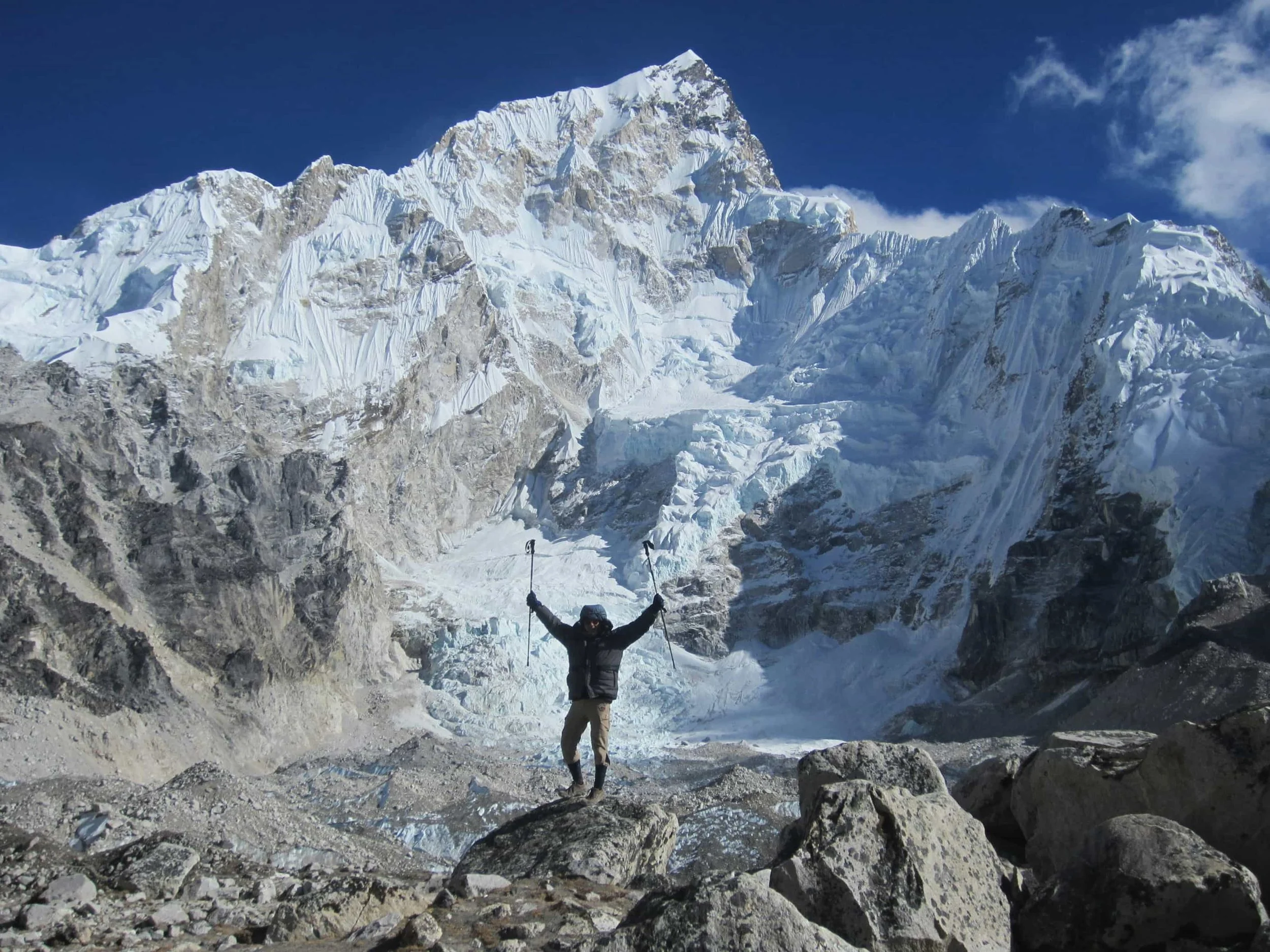
It is a jumble of rock and ice and prayer flags, with the icefall tumbling down behind it. It does not look like the photos, exactly. It looks rougher and more ordinary and somehow better for it. People were hugging. A few were crying. Most were just quiet.
My first instinct, of course, was to take a photo. Years of training. Frame it, think about who would see it. I took a couple. Then I put the phone in my pocket and stood there for a while, cold and out of breath and a bit stunned, letting it be a thing that happened to me rather than a thing I was documenting.
I am glad I have the photos. I am more glad about the ten minutes I spent not taking any.
What Stuck When I Got Home
I would love to tell you I came home a changed person who never touches her phone. That would be a lie, and you would see through it.
Within a week, I was back on Slack at breakfast. The habits are strong, and the work is real. But a few things did stick, and they have held for months now.
I keep my phone out of the bedroom. Mornings start without a screen now, even if it is only for half an hour, and that half hour changed more than I expected. I take one day most weeks where I leave the phone in a drawer and go do something with my hands. And when I catch myself reaching for it out of pure reflex, in a queue, in a lull, I notice it now. Noticing is most of the battle.
I did not need a mountain to learn any of this. But it took a mountain to make me feel it; instead of knowing it in a vague way, I could ignore it.
If You Are Thinking About Going
If you are thinking about the trek, do it, and not only for the mountain. Do it for the two weeks where nobody can reach you and you slowly remember what your own attention feels like.
Sort your permits and your guide in advance so you are free to switch off. Buy a SIM as a safety net and then try not to use it. Talk to the people around you. Watch a river for no reason. Let the days get long.
The view from base camp is the thing everyone goes for. For me, it was not the best part. The best part was quieter, and it followed me home. It was the discovery that I could put the phone down, that the world did not fall apart when I did, and that I had been waiting a long time to find that out.
Note: this article was provided by a partner